If you share your home with a cat, the litter tray is one of the most important pieces of equipment you'll own - right up there with the food bowl. Choose the wrong one, or set it up in the wrong place, and you'll deal with odor, mess, and a cat who refuses to use it. Choose the right one and pair it with a high-quality absorbent litter, and litter-box maintenance becomes a five-minute daily task instead of a daily battle.
This guide covers everything a cat owner needs to know about litter trays: types, sizing, material, placement, cleaning routine, and how to match your tray with the right litter - including JASON cat litter, a clumping, odor-controlling litter available in 5L, 8L, and 16L sizes.
A good cat litter tray should be 1.5x your cat's body length, made of durable non-porous plastic, have low-to-medium sides for easy entry (or high sides/a hood for privacy and spray control), and be paired with a clumping, low-dust litter like JASON cat litter. Place one tray per cat plus one extra, in a quiet, low-traffic spot, and scoop it at least once daily.
What Is a Cat Litter Tray?
A cat litter tray (also called a litter box or litter pan) is a container - open or covered - filled with absorbent litter that gives cats a designated place to urinate and defecate indoors. It's a core part of feline hygiene management and, along with the litter itself, directly affects your home's cleanliness, odor control, and your cat's stress levels.
Cats are naturally clean animals with a strong instinct to bury waste. The tray satisfies this instinct while keeping the mess contained - but only if it's the right type, size, and location for your specific cat.
Types of Cat Litter Trays
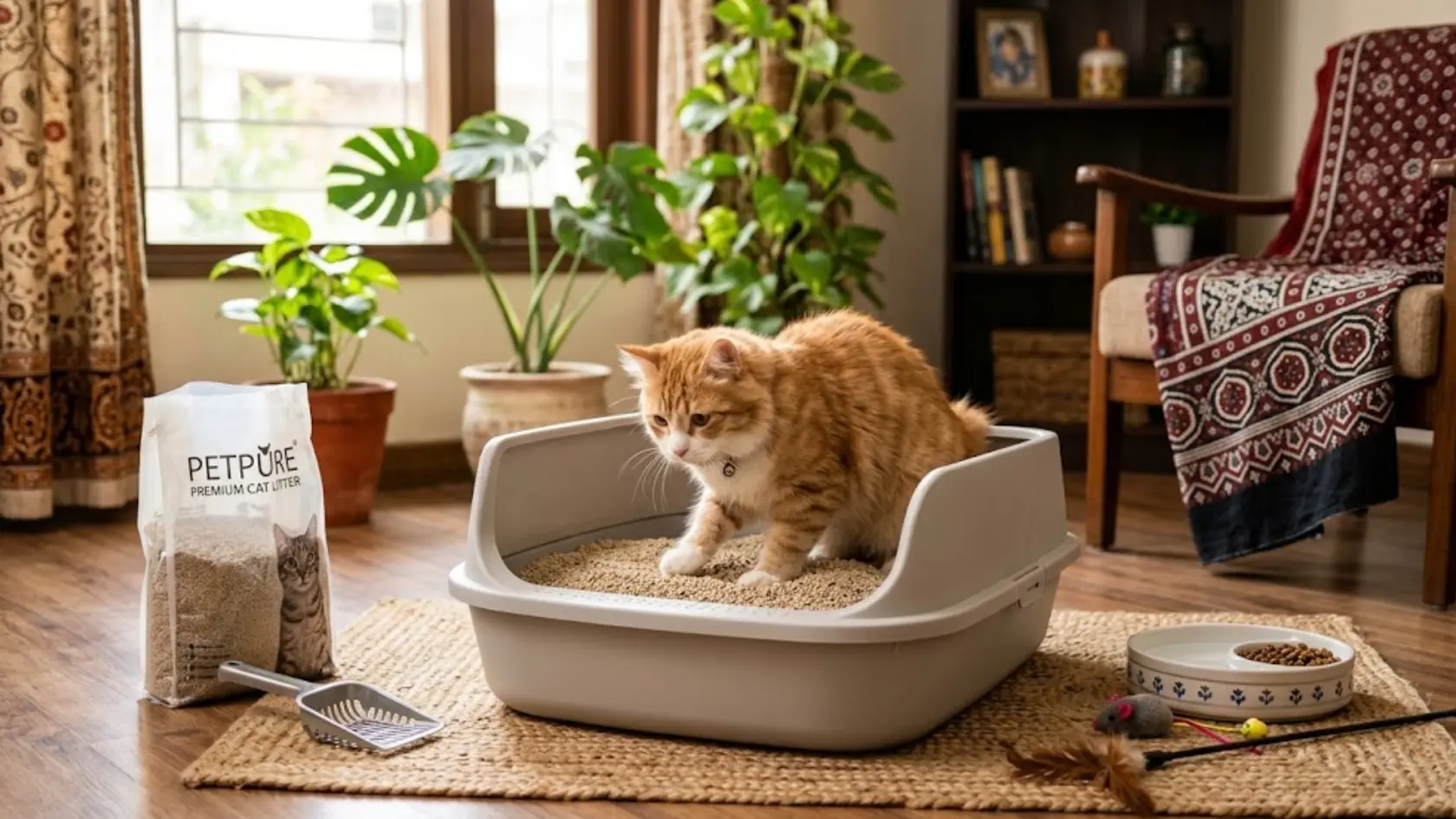
1. Open (Standard) Litter Trays
The most common and budget-friendly option. A simple open pan that's easy to clean and gives cats full visibility of their surroundings - important for cats who feel vulnerable while eliminating.
Best for: Kittens, senior cats, multi-cat households, cats with anxiety.
2. Covered (Hooded) Litter Trays
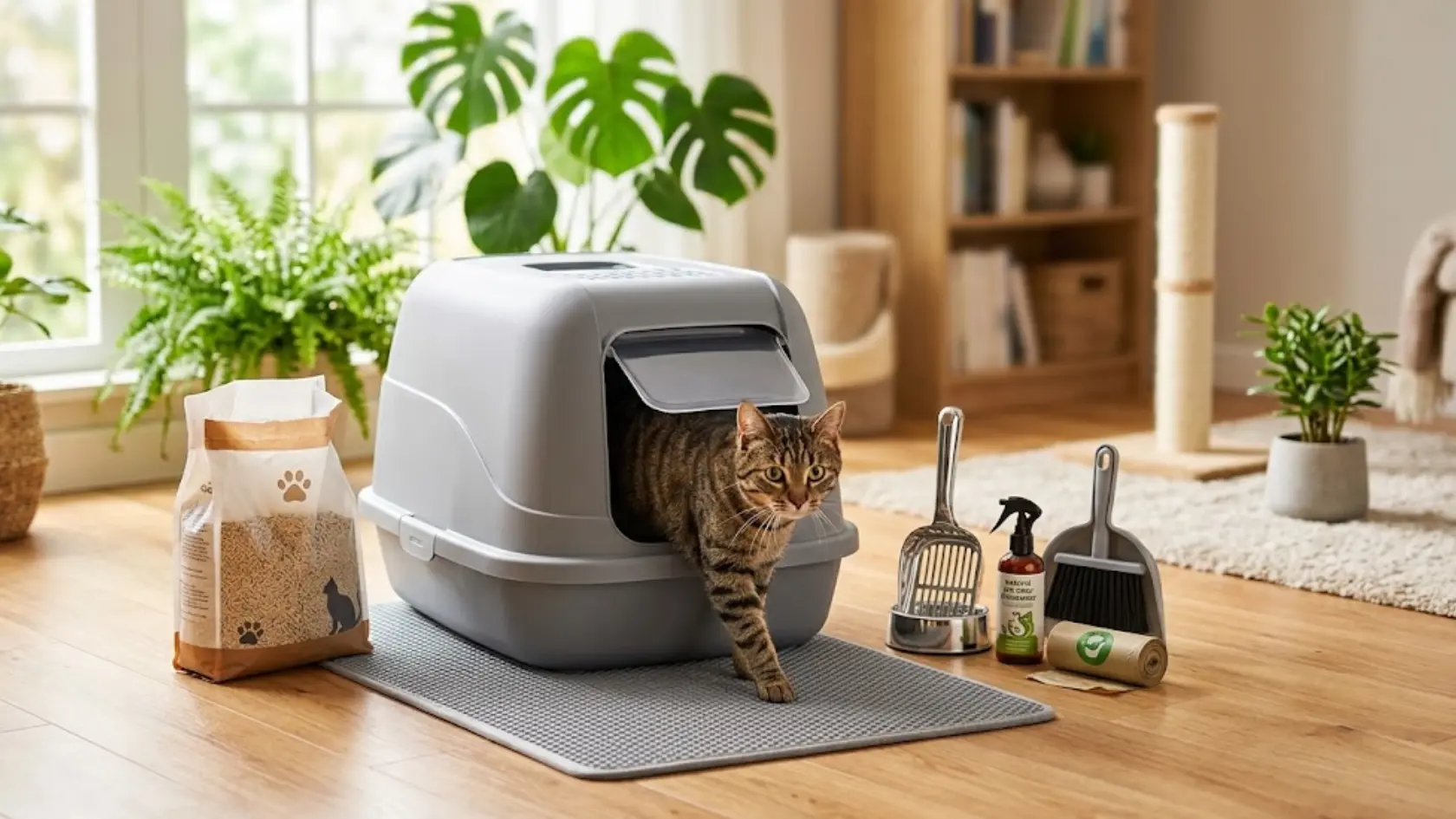
An enclosed box with a lid and entry flap. Reduces litter scatter and hides mess from view, but can trap odors inside and make some cats feel trapped or anxious.
Best for: Homes with limited space, owners prioritizing odor containment, confident cats.
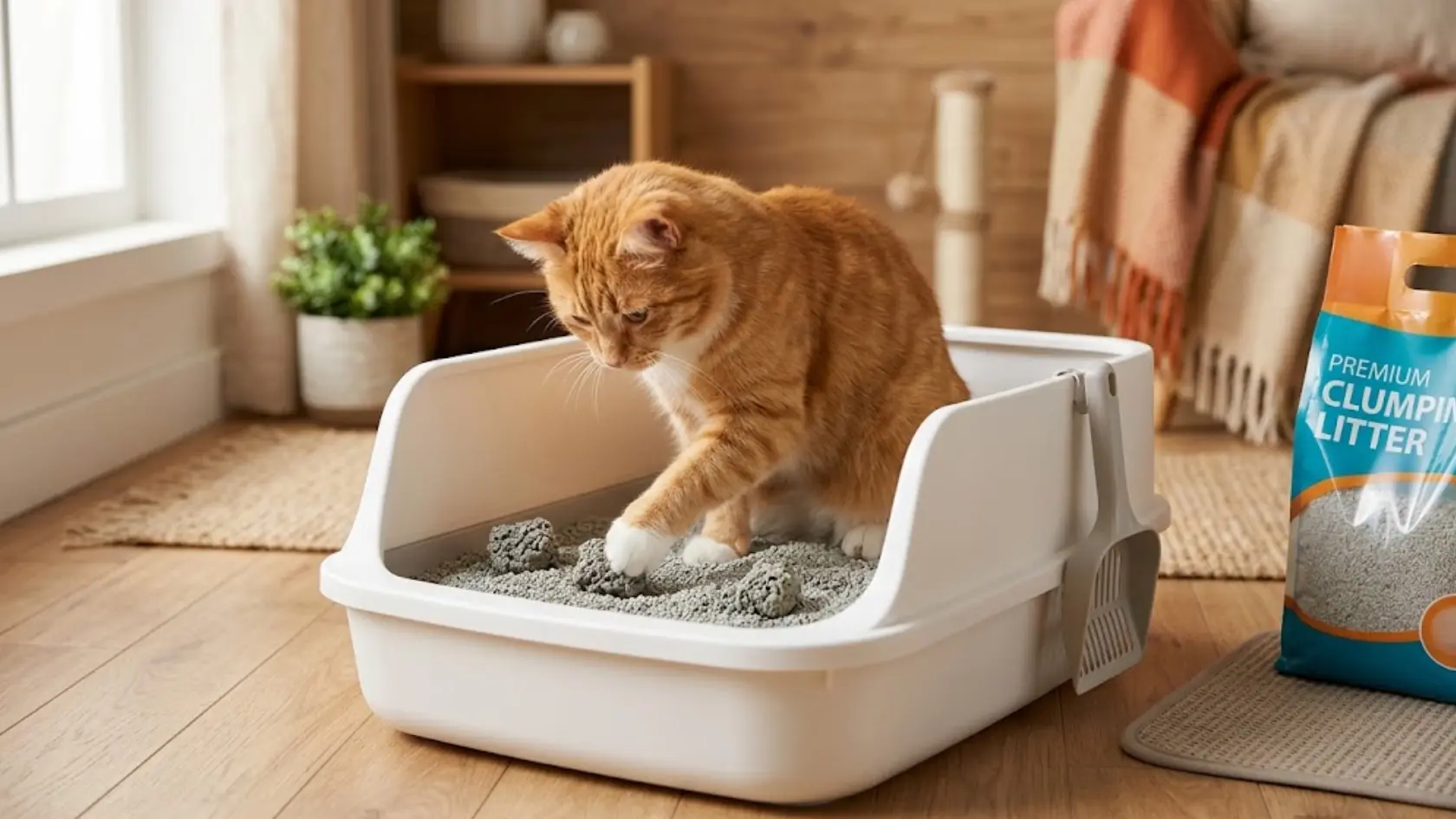
3. High-Sided Litter Trays
Similar to open trays but with taller walls to catch cats who dig enthusiastically or spray urine over the rim.
Best for: Male cats, "diggers," households prone to litter tracking.
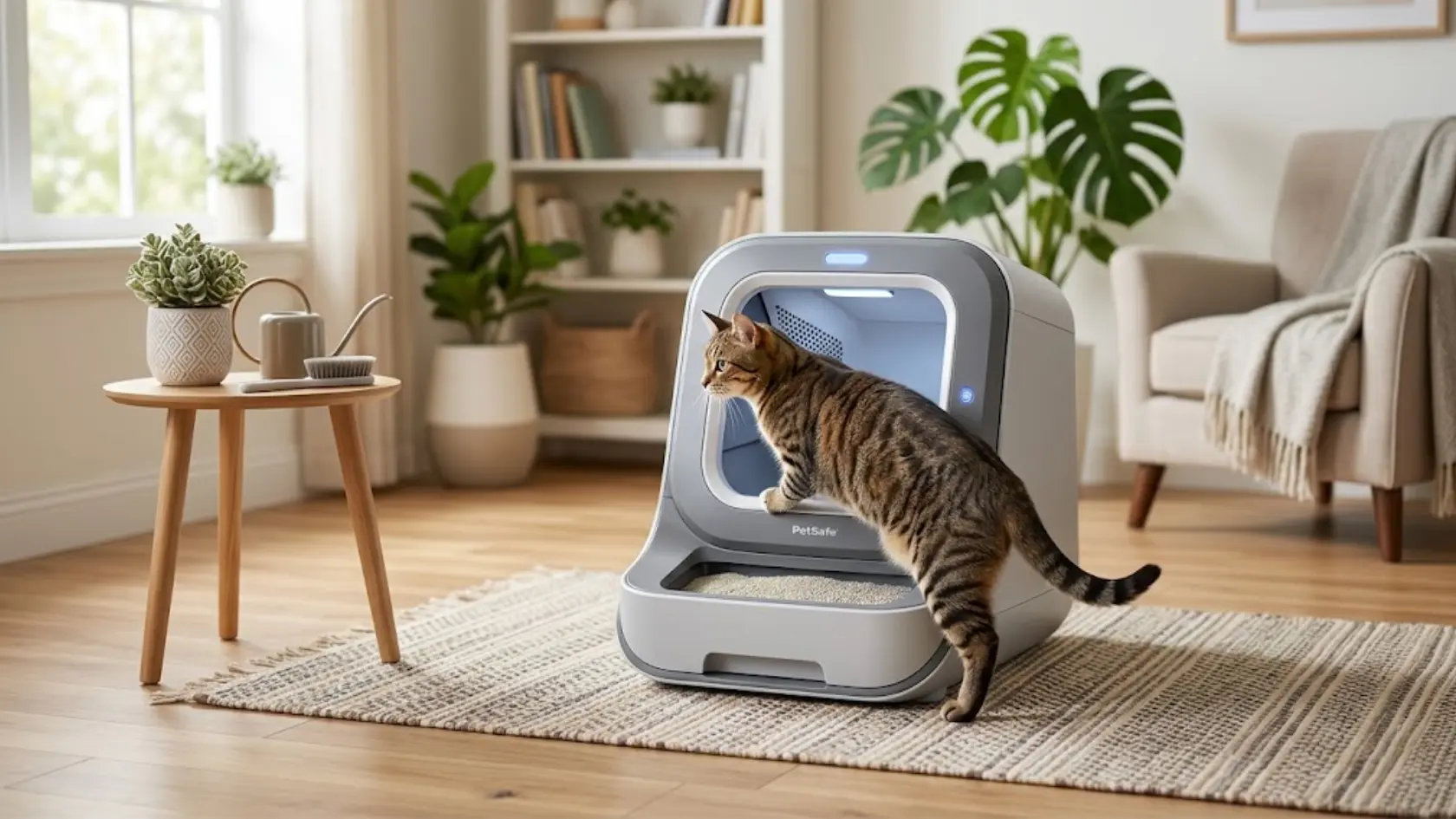
4. Self-Cleaning / Automatic Litter Trays
Motorized trays that rake waste into a sealed compartment after each use. Convenient but expensive, and not all cats adjust well to the noise and motion.
Best for: Busy households, multi-cat homes, tech-forward owners.
5. Corner Litter Trays
Triangular trays designed to fit into corners, maximizing floor space in small apartments.
Best for: Small homes, secondary/extra litter box locations.
How to Choose the Right Cat Litter Tray
| Factor | Recommendation |
| Size | At least 1.5x your cat's length from nose to tail base |
| Depth | 2-3 inches of litter depth minimum; deeper for diggers |
| Material | Smooth, non-porous plastic that resists scratches (scratches trap bacteria and odor) |
| Entry height | Low sides for kittens/seniors; higher sides for adult diggers |
| Number of trays | One per cat, plus one extra (the "n+1 rule") |
| Litter type | Clumping, low-dust, high-absorption litter - such as JASON cat litter |
The "N+1 Rule" Explained
Veterinary behaviorists recommend one litter tray per cat in the household, plus one additional tray. A two-cat home should ideally have three trays. This reduces territorial stress and the chance of a cat avoiding a soiled or "claimed" box.
Best Placement for a Cat Litter Tray
- Quiet and low-traffic: Avoid loud appliances (washing machines, furnaces) nearby - sudden noise can startle a cat mid-use and create a lasting aversion.
- Away from food and water: Cats instinctively avoid eliminating near where they eat.
- Multiple locations for multiple cats: Spread trays across different rooms/floors, not clustered in one spot.
- Accessible at all times: Never place a tray behind a closed door a cat can't open, especially for kittens or senior cats with mobility issues.
How to Maintain a Cat Litter Tray (Daily, Weekly, Monthly)
- Daily: Scoop solid waste and clumps at least once a day - twice is ideal for multi-cat homes.
- Weekly: Empty the tray completely, wash with mild, unscented soap and warm water (avoid ammonia-based or heavily scented cleaners, which can repel cats), dry fully, and refill with fresh litter.
- Monthly: Inspect the tray for scratches or odor buildup that won't wash out - replace if the plastic is degraded.
- Ongoing: Maintain a litter depth of 2-3 inches and top up as your cat uses and buries waste.
Pro tip: The tray is only half the equation. Even the best tray will smell and clump poorly if paired with a low-quality litter. A high-absorption, odor-locking clumping litter like JASON cat litter makes daily scooping faster and keeps your home smelling fresh between full cleanings.
Signs Your Cat Litter Tray Setup Needs Fixing
Watch for these warning signs - they usually point to a tray, placement, or litter problem rather than a "bad cat":
- Eliminating just outside the tray
- Avoiding the tray altogether
- Scratching around the tray without entering it
- Spending unusually long or short time in the tray
- Excessive litter tracking through the house
Most of these issues resolve with a larger tray, a better location, or switching to a more absorbent, better-clumping litter.
Pairing Your Tray with the Right Litter: JASON Cat Litter
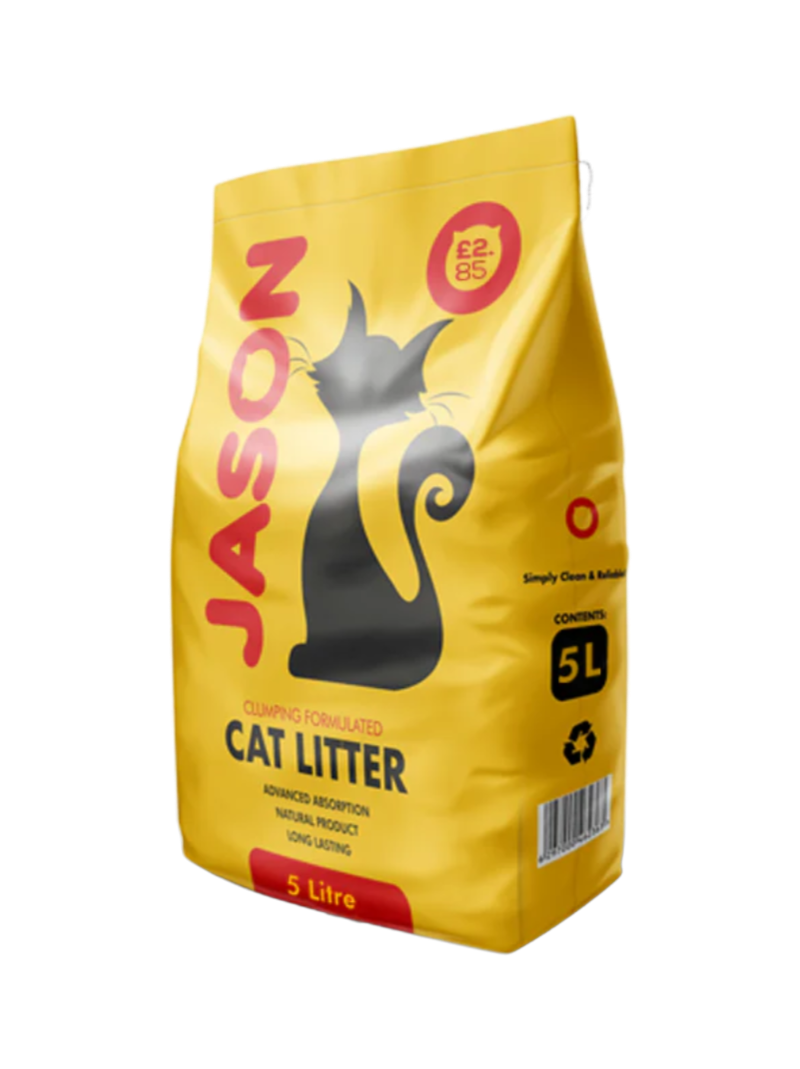
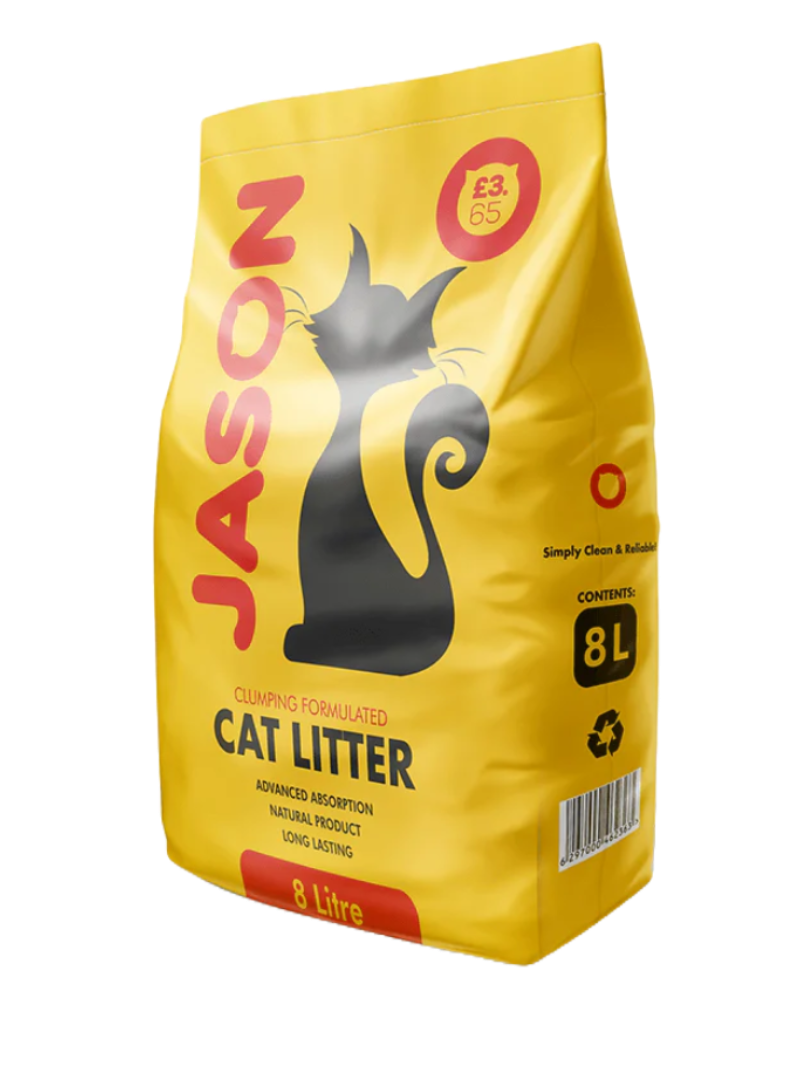
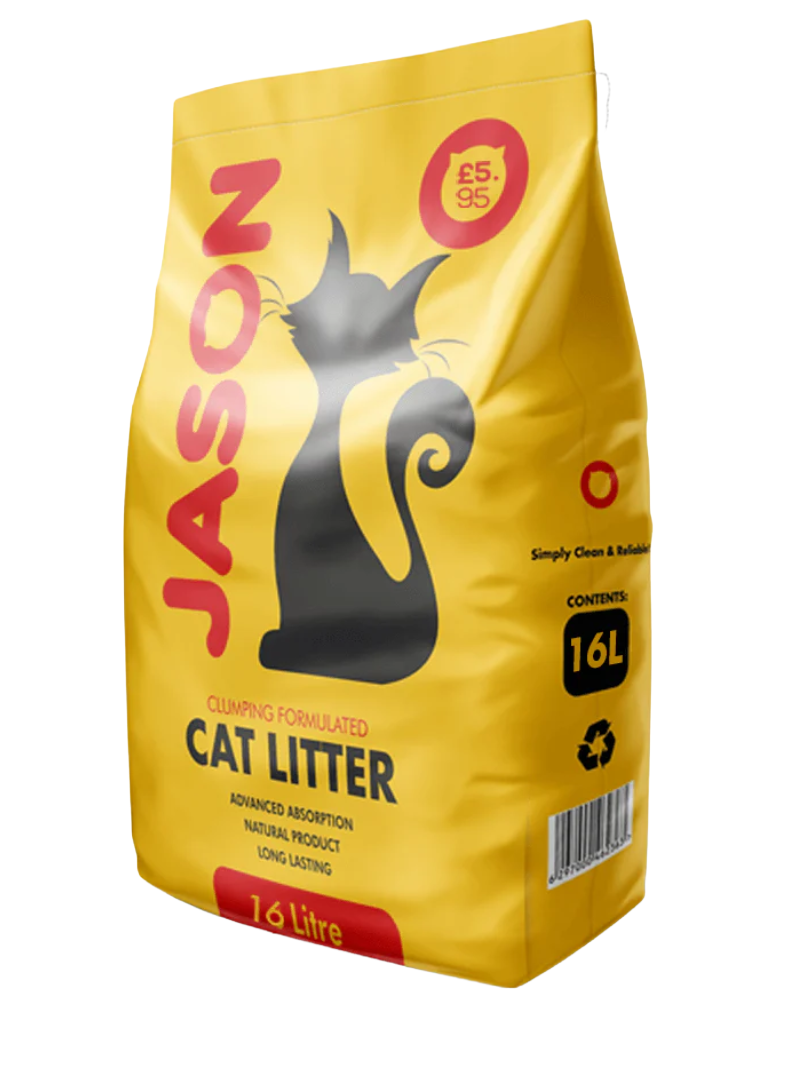
A litter tray performs only as well as the litter inside it. JASON cat litter is a clumping, odor-controlling formula designed to work with any standard, high-sided, or covered tray, giving you tight clumps for easy scooping and reduced ammonia smell between cleanings. It's available in three sizes to match any household:
| Product | Size | Price |
| JASON Cat Litter | 5 Litre | Rs. 1,000 |
| JASON Cat Litter | 8 Litre | Rs. 1,500 |
| JASON Cat Litter | 16 Litre | Rs. 2,800 |
- 5 Litre - ideal for single-cat households or trial-size testing.
- 8 Litre - the most popular size for one to two cats with moderate usage.
- 16 Litre - best value for multi-cat homes or households wanting fewer refills.
Questions You Might Be Asking
Q1. What size litter tray does my cat need?
A litter tray should be at least 1.5 times the length of your cat from nose to base of tail, giving them room to turn, dig, and squat comfortably.
Q2. How often should I clean a cat litter tray?
Scoop waste at least once daily, and do a full wash-and-refill of the tray once a week using mild, unscented soap.
Q3. Should I use a covered or open litter tray?
Open trays suit most cats, especially kittens, seniors, and anxious cats, because they offer full visibility and easy entry. Covered trays reduce scatter and hide waste but can trap odor and feel confining to some cats.
Q4. How many litter trays do I need for one cat?
The general rule is one tray per cat, plus one extra - so even a single-cat household benefits from having two trays available.
Q5. Why does my cat avoid the litter tray?
Common causes include a dirty tray, wrong tray size, a scented or low-quality litter, a noisy or high-traffic location, or a medical issue - if avoidance is sudden, consult a vet.
Q6. What is the best litter to use with a cat litter tray?
A clumping, low-dust, high-absorption litter works best in any tray type. JASON cat litter is formulated for strong clumping and odor control, and comes in 5L, 8L, and 16L sizes to suit different household needs.
Q7. How deep should the litter be in the tray?
Maintain 2 to 3 inches of litter depth - enough for your cat to dig and bury waste naturally, topped up as it's used.
Q8. Where should I place my cat's litter tray?
Choose a quiet, low-traffic area away from food, water, and loud appliances, with easy access at all times.
What You Should Take Away
The right cat litter tray - sized correctly, placed thoughtfully, and cleaned consistently - is the foundation of a stress-free, odor-free home for both you and your cat. But the tray is only one half of the setup: pairing it with a reliable, clumping, odor-controlling litter is what makes daily maintenance genuinely easy. JASON cat litter is built for exactly that, with 5L, 8L, and 16L options to match any household size and budget.
Ready to Upgrade Your Cat's Litter Routine?
Explore the full JASON products range - 5 Litre (Rs. 1,000), 8 Litre (Rs. 1,500), and 16 Litre (Rs. 2,800) - and give your cat's tray the odor control and clumping power it deserves.