
Your cat's litter box is more than a place to do their business - it's one of the clearest windows you have into their health, mood, and comfort. Digging patterns, how long they linger, whether they cover their waste, and changes in frequency can all be quiet signals your cat is sending you, long before anything looks obviously wrong.
This guide breaks down what normal litter box behaviour looks like, what common changes might mean, and when a habit is worth a call to your vet - so you can read your cat's signals with more confidence.
Why Litter Box Behaviour Matters
Cats are instinctively private about elimination, which is exactly why the litter box is such a useful health indicator. Because cats can't tell you when something feels off, changes in their bathroom habits are often the first visible sign of stress, discomfort, or an underlying health issue - well before other symptoms appear. Paying attention to the litter box means you're often catching problems earlier.
What Normal Litter Box Behaviour Looks Like
Most healthy cats show a fairly consistent pattern:
- Digging before elimination - cats dig to create a comfortable, loose surface.
- Covering waste afterward - an instinctive behaviour rooted in reducing scent trails from predators.
- Using the box 2-4 times a day on average, though this varies by cat, diet, and age.
- Spending a short, focused amount of time in the box, without excessive lingering or repeated visits.
- Consistent urine and stool appearance - pale to golden urine and firm, formed stool.
Knowing this baseline for your own cat makes it much easier to notice when something changes.
Digging and Covering: What It Really Means
Why Do Cats Dig in the Litter Box?
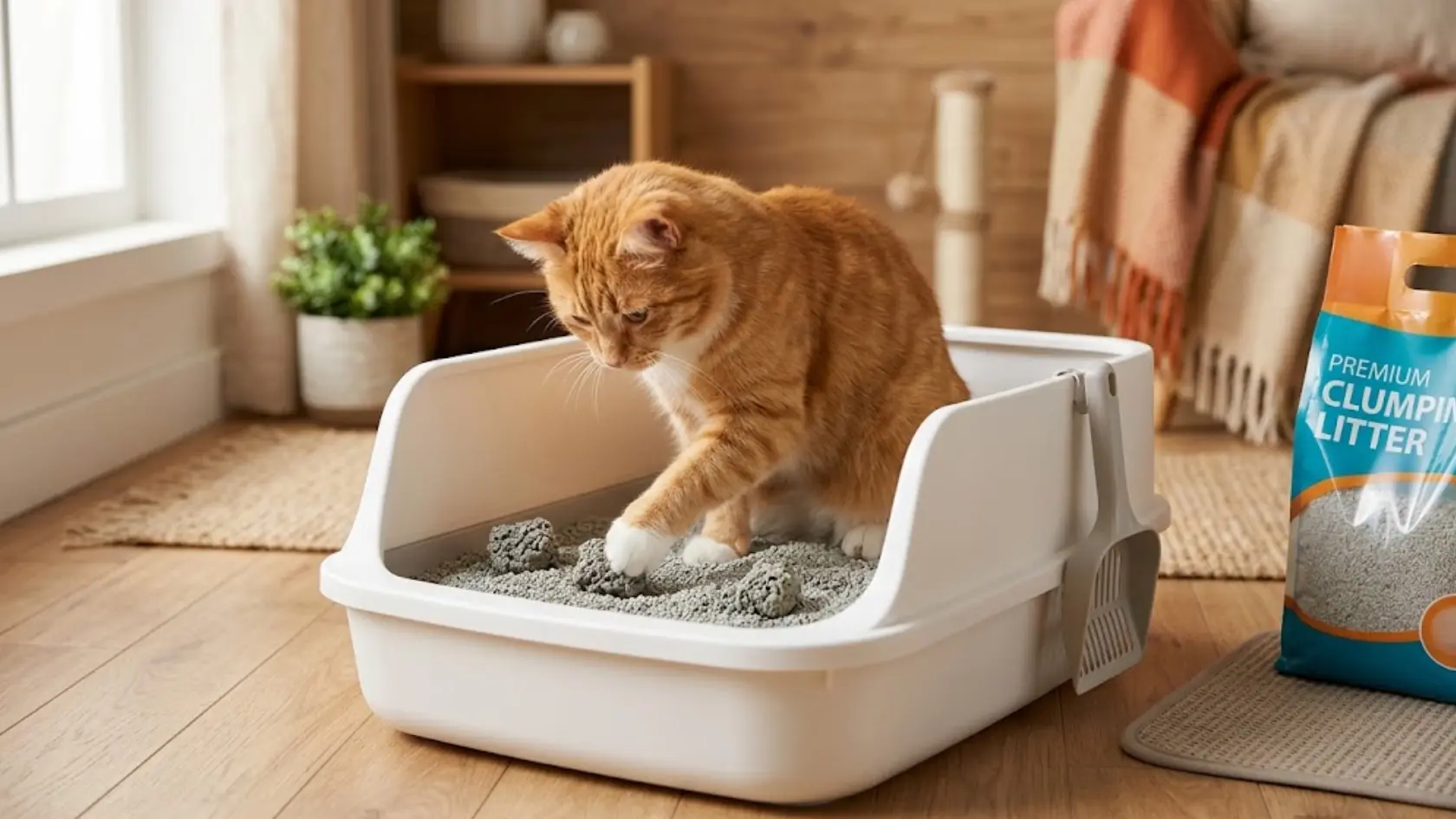
Cats dig in the litter box because it's an instinctive behaviour inherited from wild ancestors, who dug to create a soft surface and later cover their waste to mask their scent from predators and rivals. Digging is normal and doesn't usually indicate a problem - but excessive, frantic digging with little actual covering can sometimes signal that a cat finds the litter texture, depth, or cleanliness unsatisfying.
Why Isn't My Cat Covering Their Waste?
A cat may skip covering their waste for a few reasons: the litter box may feel too small or the litter too shallow to dig properly, the box may not be clean enough to spend extra time in, or - in some cats - it can simply be an individual habit or a subtle form of confidence-marking. If this is a new change rather than a lifelong habit, it's worth checking the box's cleanliness and litter depth first.
What Litter Box Frequency Tells You
How Many Times a Day Should a Cat Use the Litter Box?
Most cats urinate two to four times a day and pass stool once a day, though this varies with age, diet, hydration, and the number of cats sharing a box. What matters more than the exact number is a change from your cat's normal pattern - going noticeably more or less often is a more useful signal than the raw count itself.
Going Too Often
Frequent trips to the litter box, especially with only small amounts produced each time, can be associated with urinary tract discomfort. This pattern is worth monitoring closely and mentioning to a vet if it continues.
Not Going Often Enough
Reduced litter box visits, particularly for stool, can be linked to changes in diet, hydration, or digestive comfort. If your cat goes noticeably longer than usual without using the box, keep an eye on their general behaviour and appetite.
Litter Box Avoidance: Why Cats Stop Using the Box
Litter box avoidance is one of the most common - and most telling - behaviour changes in cats. Common reasons include:
- A dirty box. Cats are naturally clean animals and often avoid a box that hasn't been scooped recently.
- Litter type or texture dislike. Some cats are particular about litter feel underfoot, especially after a sudden brand or type change.
- Box location or accessibility. A box that's hard to reach, too exposed, or near loud appliances can put cats off.
- Stress or environmental change. New pets, moving house, or changes in routine can all affect litter box use.
- An underlying health issue. Discomfort during elimination can cause a cat to associate the box itself with pain and avoid it.
If avoidance is sudden and paired with other symptoms - straining, crying out, blood in urine, or lethargy - this warrants prompt veterinary attention rather than a wait-and-see approach.
Reading Urine and Stool: What's Normal, What's Not
While you shouldn't attempt to self-diagnose your cat, being familiar with general norms helps you notice meaningful changes:
- Urine colour: Typically pale yellow to golden. Very dark, cloudy, or blood-tinged urine is worth flagging to a vet.
- Urine amount and frequency: Sudden increases or a cat straining with little output both deserve attention.
- Stool consistency: Firm and well-formed is typical. Persistent diarrhoea or hard, dry stool over several days should be discussed with a vet.
- Presence of blood, mucus, or worms: Any of these are reasons to contact your vet promptly.
A clean, well-maintained litter box makes it much easier to actually notice these details day to day - which is one more reason consistent scooping matters.
Litter Box Setup: Getting the Basics Right
A few environmental factors influence how naturally your cat uses their box:
- One box per cat, plus one extra. The general rule is one litter box per cat in the household, plus one additional box.
- Location matters. Place boxes in quiet, accessible spots away from food and water bowls.
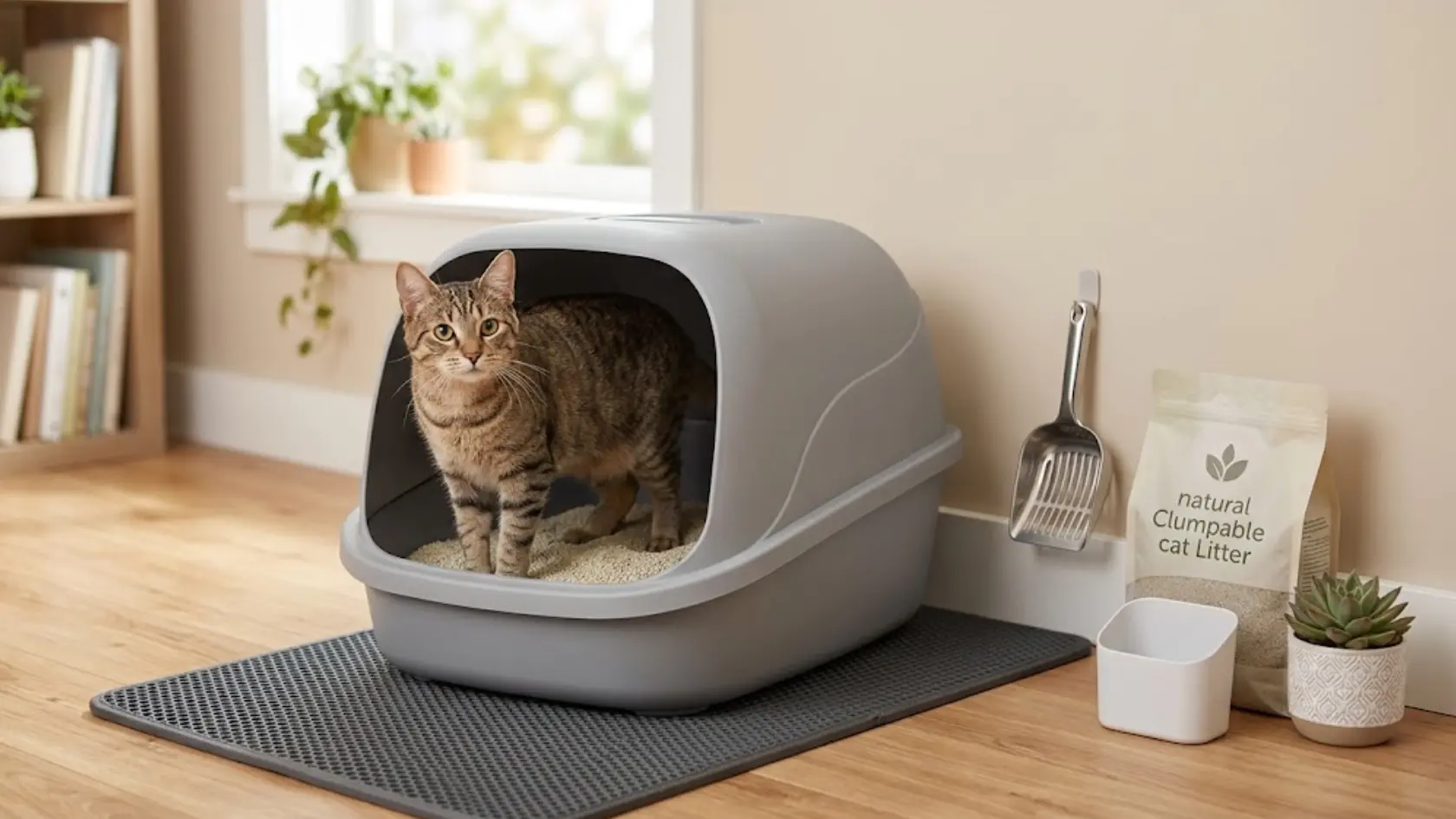
- Depth matters. A litter depth of roughly 5-7 cm gives cats enough material to dig and cover comfortably.
- Cleanliness matters most. Daily scooping and a regular full litter change are the single biggest factors in consistent litter box use.
- Litter quality matters. A litter that manages moisture and odour well keeps the box more inviting between cleanings, and litter that doesn't stick to paws or coat keeps the experience more comfortable for your cat.
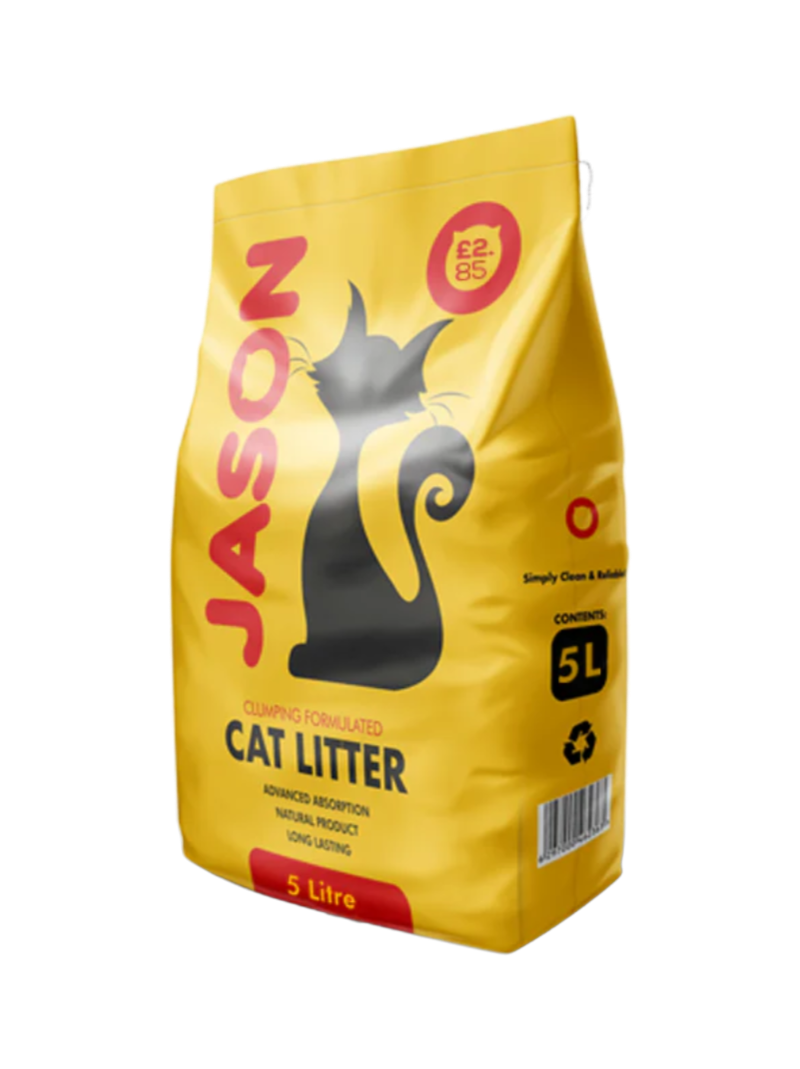
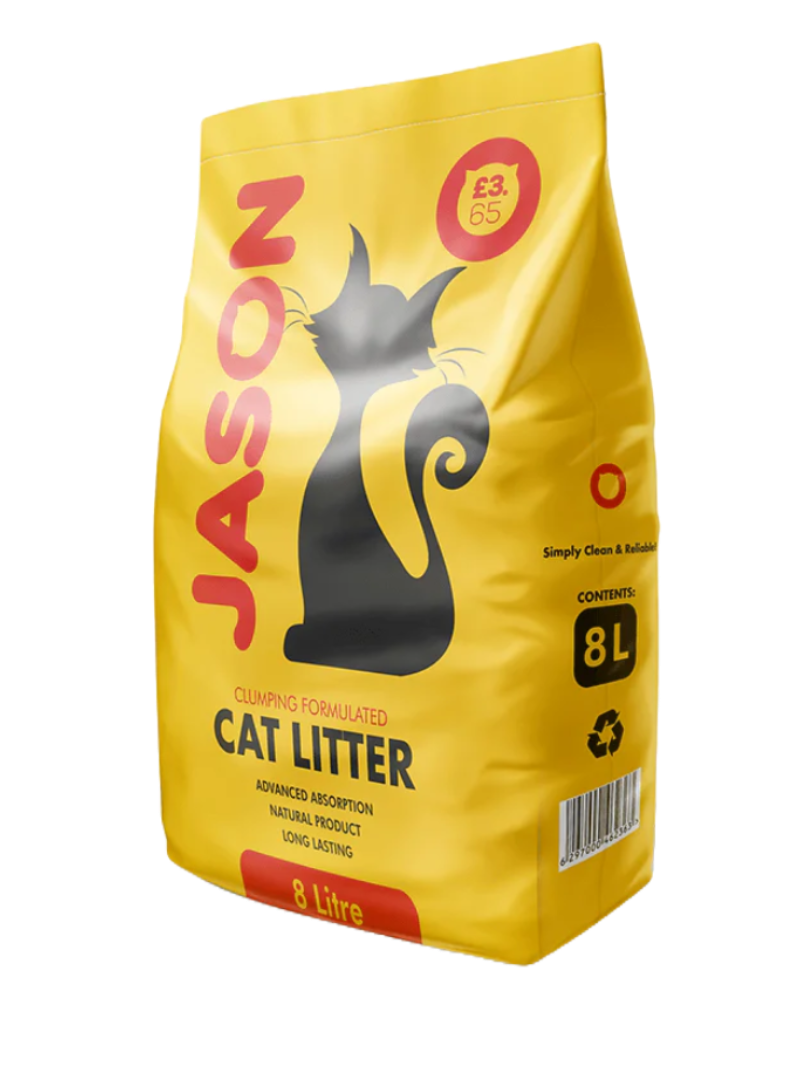
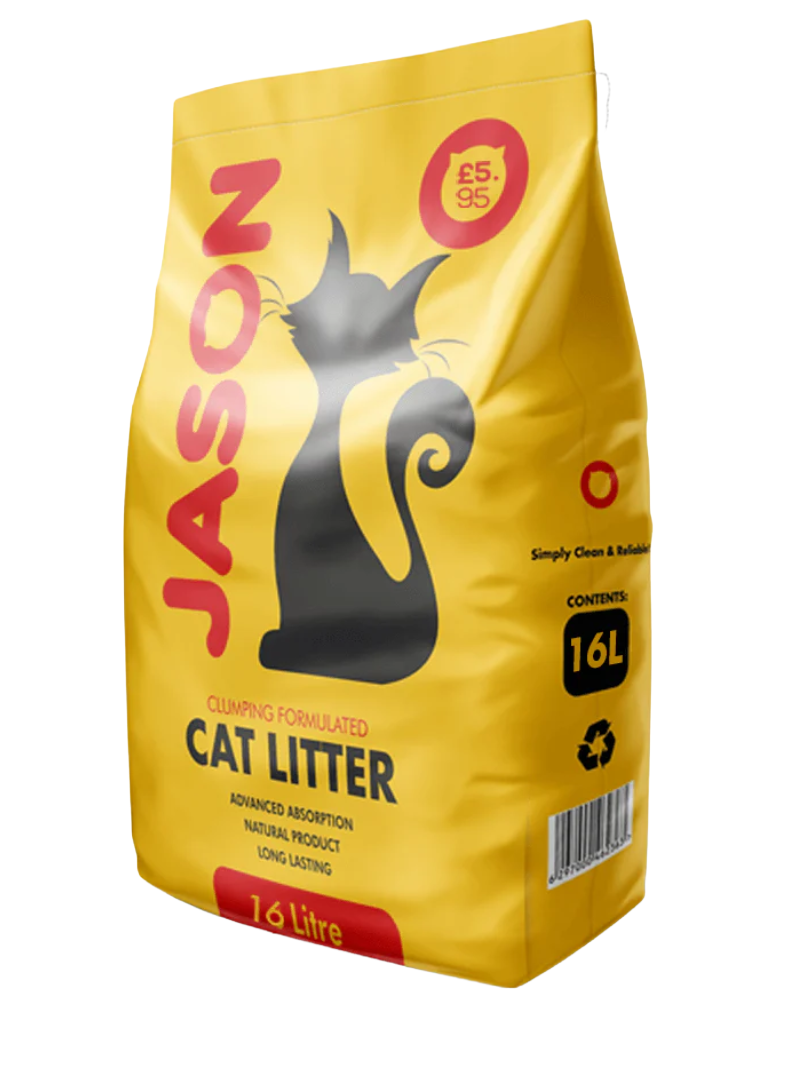
This is where the litter itself plays a real role. JASON cat litter is a purely natural, highly absorbent litter that helps slow the development of odours and is designed not to stick to your cat's paws or coat - supporting the kind of clean, comfortable box that encourages consistent, healthy litter box habits.
When to See a Vet
Contact your veterinarian if you notice any of the following:
- Straining to urinate or defecate, especially with little or no output
- Blood in urine or stool
- Crying out or showing visible discomfort in the box
- Sudden, unexplained litter box avoidance
- A significant increase or decrease in frequency that lasts more than a day or two
- Lethargy, reduced appetite, or vomiting alongside litter box changes
Litter box changes can have simple explanations, but because cats hide illness well, it's always safer to have unusual or persistent changes checked by a professional rather than waiting to see if they resolve on their own.
Let’s Get Your Questions Answered
Q1. Why does my cat dig excessively in the litter box?
Digging is a natural, instinctive behaviour, but excessive or frantic digging without much covering can suggest your cat is unsatisfied with the litter's texture, depth, or cleanliness. Try adjusting litter depth or switching to a more absorbent, comfortable litter before assuming it's a behavioural issue.
Q2. Why has my cat stopped covering their waste?
A cat may stop covering waste if the box is too small, the litter is too shallow, or the box isn't clean enough to encourage extra time spent digging. In some cats, it can also simply be an individual habit rather than a sign of a problem.
Q3. How many times a day should a cat use the litter box?
Most cats urinate two to four times a day and pass stool about once a day, though this varies by cat. A sudden change from your cat's usual pattern is more meaningful than the exact number of visits.
Q4. Why is my cat suddenly avoiding the litter box?
Common causes include a dirty box, disliking the litter type, an inconvenient box location, stress from environmental changes, or an underlying health issue causing discomfort during elimination. Sudden avoidance paired with straining or crying out should be checked by a vet promptly.
Q5. What does it mean if my cat's urine looks dark or cloudy?
Urine that is unusually dark, cloudy, or tinged with blood can be a sign of a urinary issue and should be evaluated by a veterinarian rather than monitored alone. Normal urine is typically pale yellow to golden in colour.
Q6. How many litter boxes should I have for multiple cats?
The general guideline is one litter box per cat, plus one additional box, placed in separate, accessible, quiet locations. This reduces competition over the box and helps prevent avoidance behaviour in multi-cat homes.
Q7. Does litter quality affect litter box behaviour?
Yes. A litter that manages moisture and odour well keeps the box more inviting, encouraging consistent use, while litter that doesn't stick to a cat's paws or coat makes the overall experience more comfortable. Highly absorbent, natural litters like JASON are designed with this in mind.
To Sum It All Up
The litter box tells you far more than most owners realize - from digging and covering habits to frequency, urine appearance, and sudden avoidance. Learning your cat's normal pattern means you'll notice changes quickly, and knowing which changes are simple preferences versus which need a vet's attention helps you act at the right time. Pair that awareness with a clean, well-maintained box and a natural, absorbent litter, and you're giving your cat one of the simplest, most effective forms of everyday care.
Want to make litter box habits easier to read - and easier to keep clean? Shop JASON products in 5, 8, and 16 litre bags, natural and highly absorbent, with delivery across Pakistan. Have questions about your cat's litter box routine? Contact our team at +92 21 32360055-59 - we're happy to help.