
If you've ever stood in a pet store aisle staring at a wall of clay, crystal, and plant-based bags wondering which one your cat will actually use, you're not alone. Choosing the right cat litter affects your cat's litter box habits, your home's odor control, your cleanup routine, and even your cat's respiratory health. This guide breaks down every major litter type, compares them head-to-head, and answers the exact questions cat owners search for - so you can make a confident, informed choice today.
For most households, clumping silica gel litter (like JASON cat litter) offers the best overall balance of odor control, low dust, easy scooping, and long-lasting use - making it the top pick in the litter debate. Clay litter is the budget-friendly classic, while natural litters (tofu, pine, corn) suit eco-conscious homes and sensitive cats.
Why Litter Choice Matters
Cats are naturally selective about where they go to the bathroom. The wrong litter - one that's too dusty, too scented, too coarse, or doesn't control odor - can lead to litter box avoidance, house-soiling, and stress for both cat and owner. On the flip side, the right litter reduces odor, minimizes tracking, supports respiratory health, and simplifies daily cleaning. Understanding the core litter categories is the first step to solving "the great litter debate."
Types of Cat Litter Explained
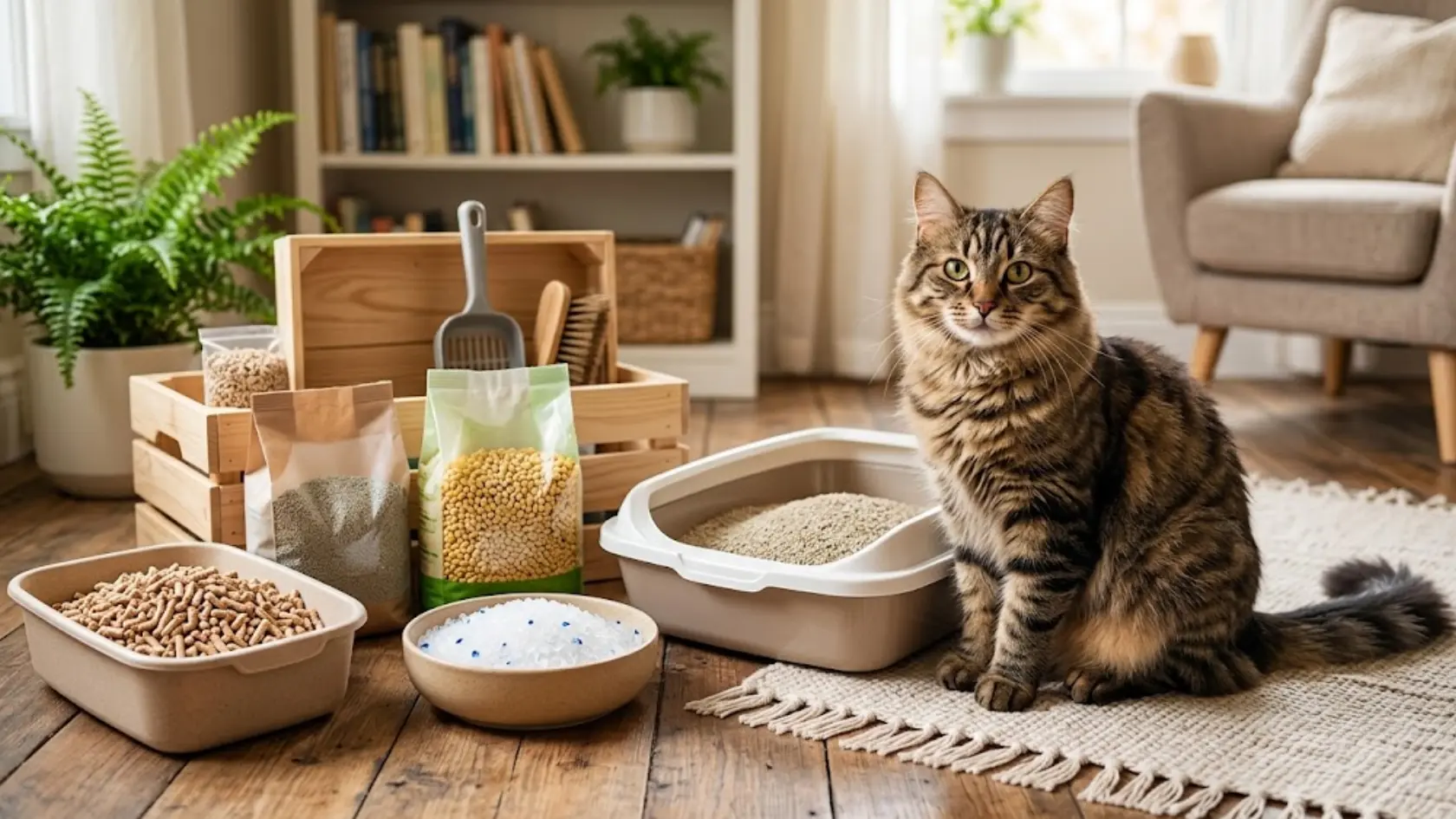
1. Clumping Clay Litter
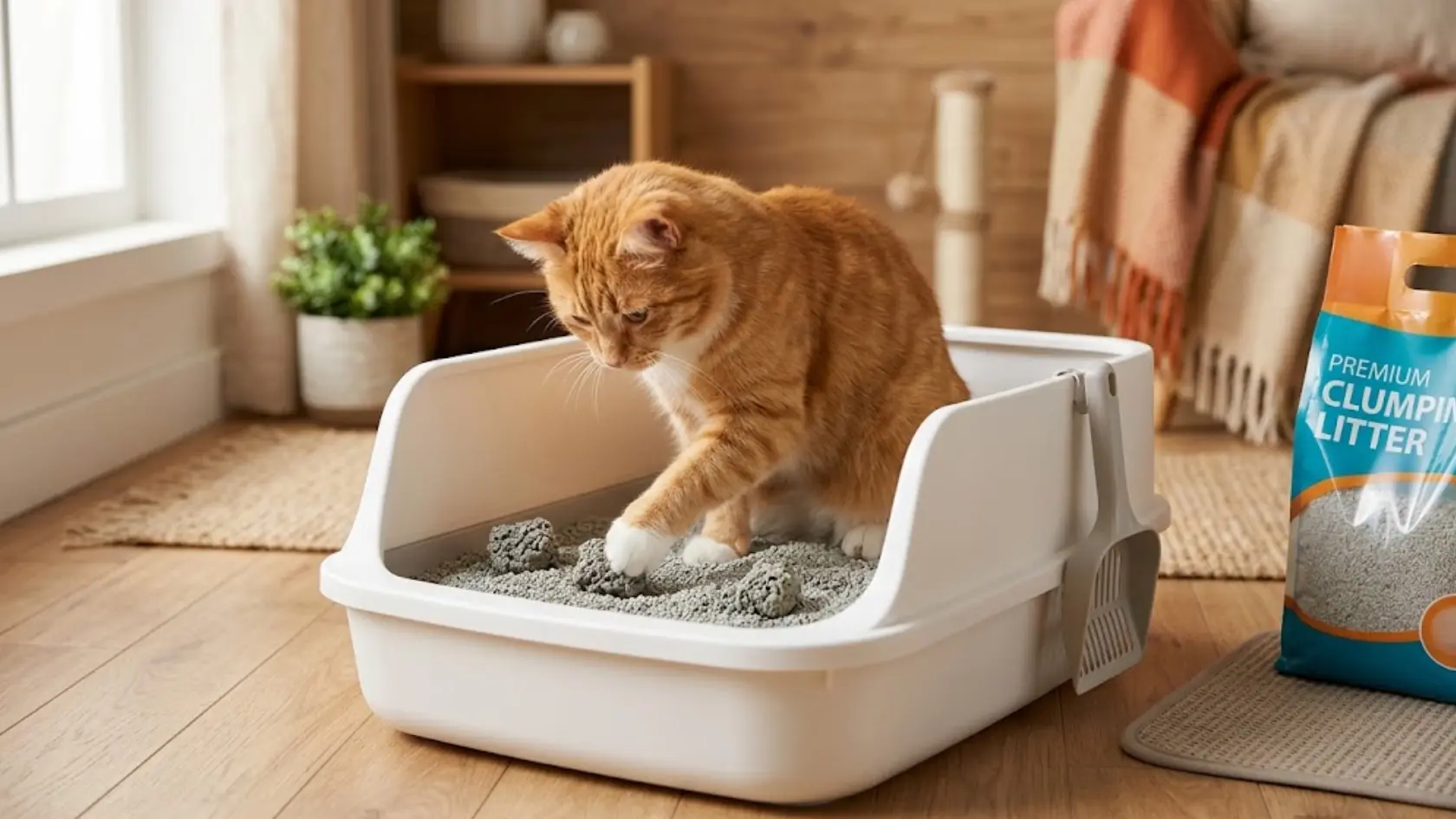
Made from bentonite clay, this is the most widely used litter type. It forms solid clumps around waste for easy scooping and offers strong natural odor absorption. Downsides include dust production and a heavier bag weight.
2. Silica Gel (Crystal) Litter
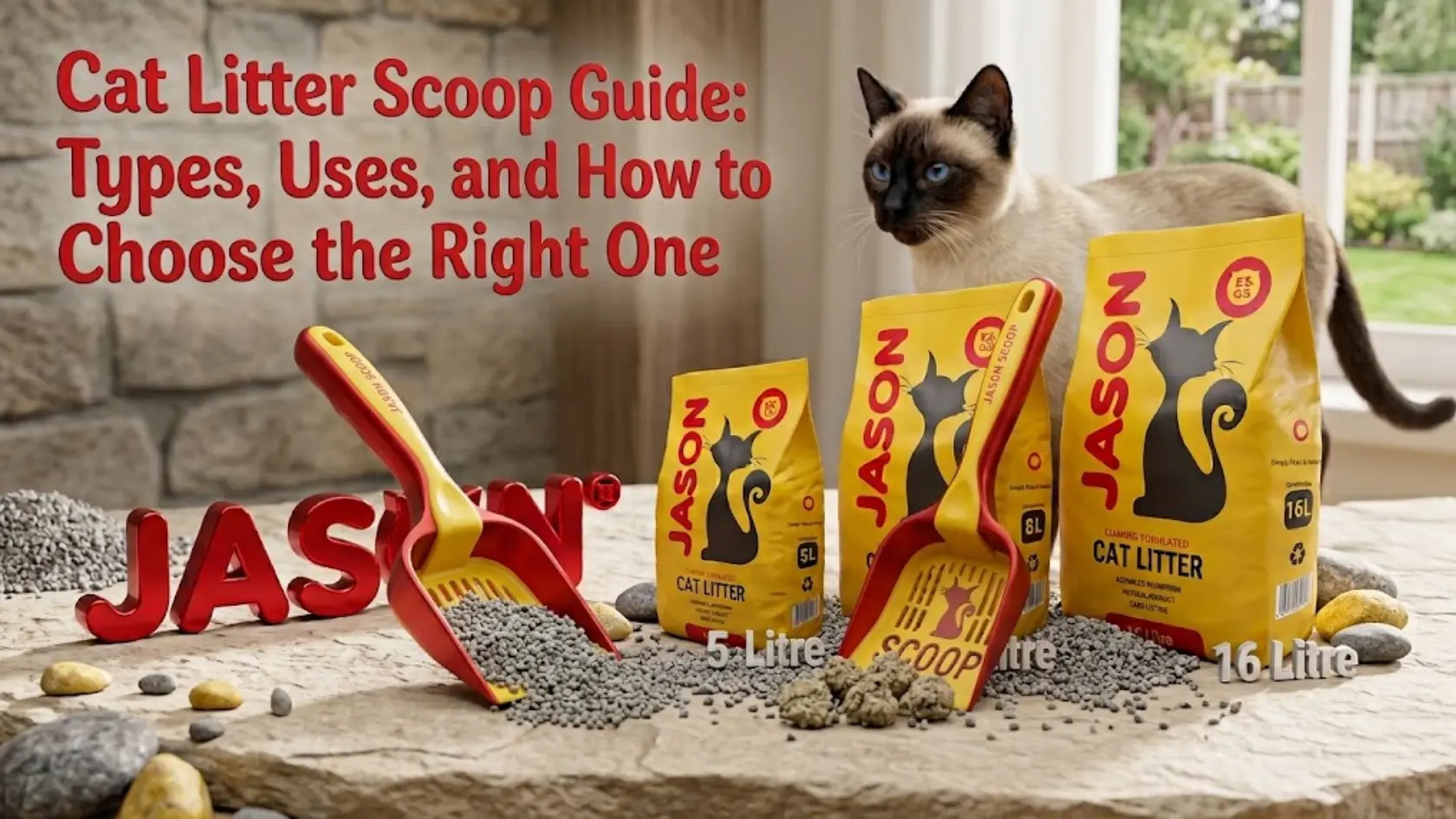
Silica gel litter, such as JASON cat litter, is made from silicon dioxide crystals that absorb moisture and trap odor at the source. It's low-dust, lightweight relative to clay, and typically lasts 3-4 weeks per box before a full change - making it a favorite for busy households and multi-cat homes.
3. Natural / Biodegradable Litter (Tofu, Pine, Corn, Paper)
Made from renewable plant materials, these litters are flushable or compostable in many cases, low-dust, and gentle on sensitive paws - a good fit for kittens or cats recovering from surgery. Odor control varies by brand and typically needs more frequent scooping than silica.
4. Non-Clumping Clay Litter
An older, budget-friendly format that absorbs moisture but doesn't form scoopable clumps, requiring full-box changes more often.
Cat Litter Comparison Table
| Litter Type | Odor Control | Dust Level | Tracking | Lifespan | Best For |
| Clumping Clay | Good | Moderate-High | Moderate | 1-2 weeks | Everyday use, budget owners |
| Silica Gel (Crystal) | Excellent | Low | Low | 3-4 weeks | Odor-sensitive homes, multi-cat households |
| Natural (Tofu/Pine/Corn) | Moderate-Good | Low | Low-Moderate | 1-2 weeks | Kittens, eco-conscious owners, flushable use |
| Non-Clumping Clay | Fair | High | High | Several days | Short-term or budget use |
Key Factors When Choosing Litter
- Odor control: Silica gel and clumping clay generally outperform non-clumping options.
- Dust and respiratory safety: Low-dust formulas protect both cat and owner lungs, especially important for asthmatic households.
- Tracking: Larger, rounder granules (common in quality silica litters) track less across floors.
- Scooping ease: Clumping formulas make daily maintenance faster.
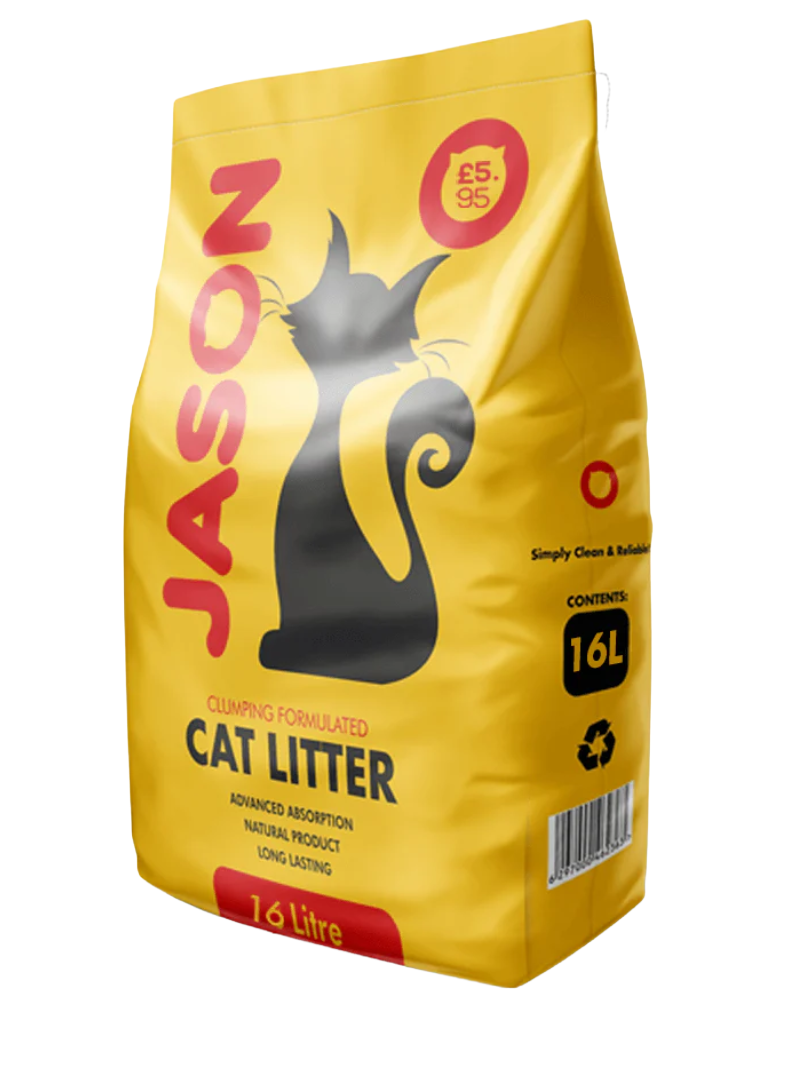
- Multi-cat households: Higher-capacity litters, like the 16-litre JASON cat litter bag, reduce how often you need to fully replace the box.
- Cat preference: Some cats dislike scented litter or certain textures - unscented, fine-grain options are generally safer starting points.
- Cost per use: Longer-lasting litters like silica gel often cost less per week despite a higher upfront price.
Why Silica Gel Litter Is Winning the Debate
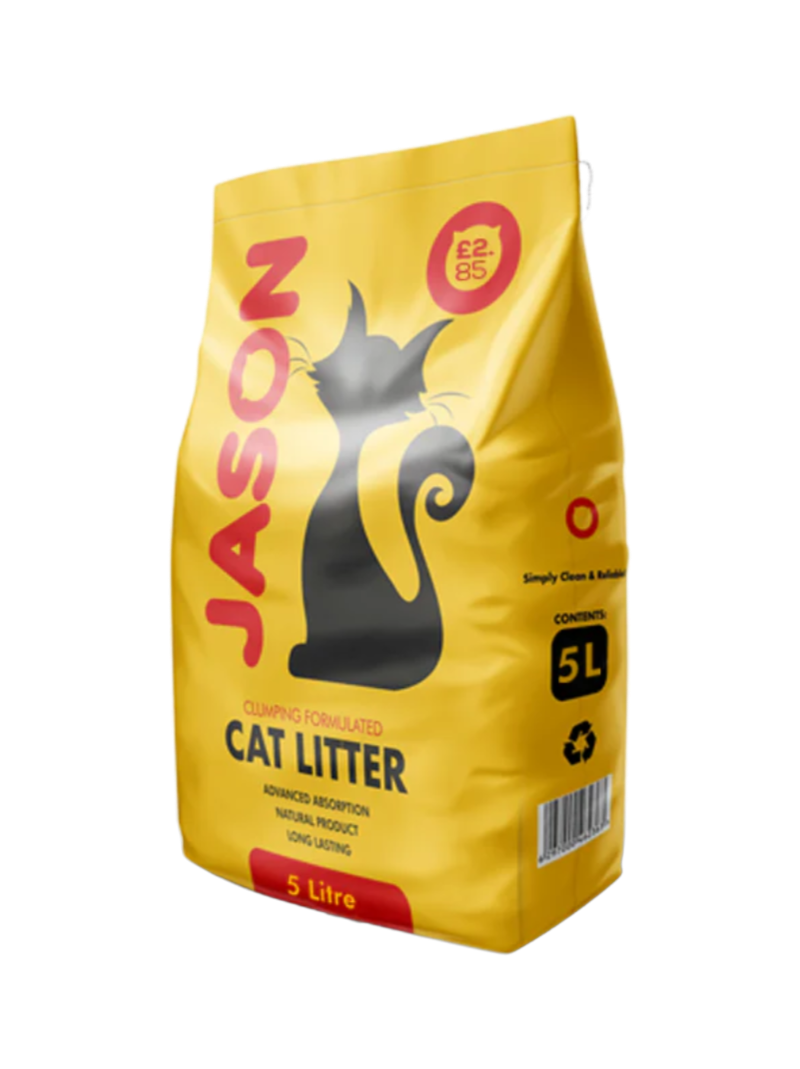
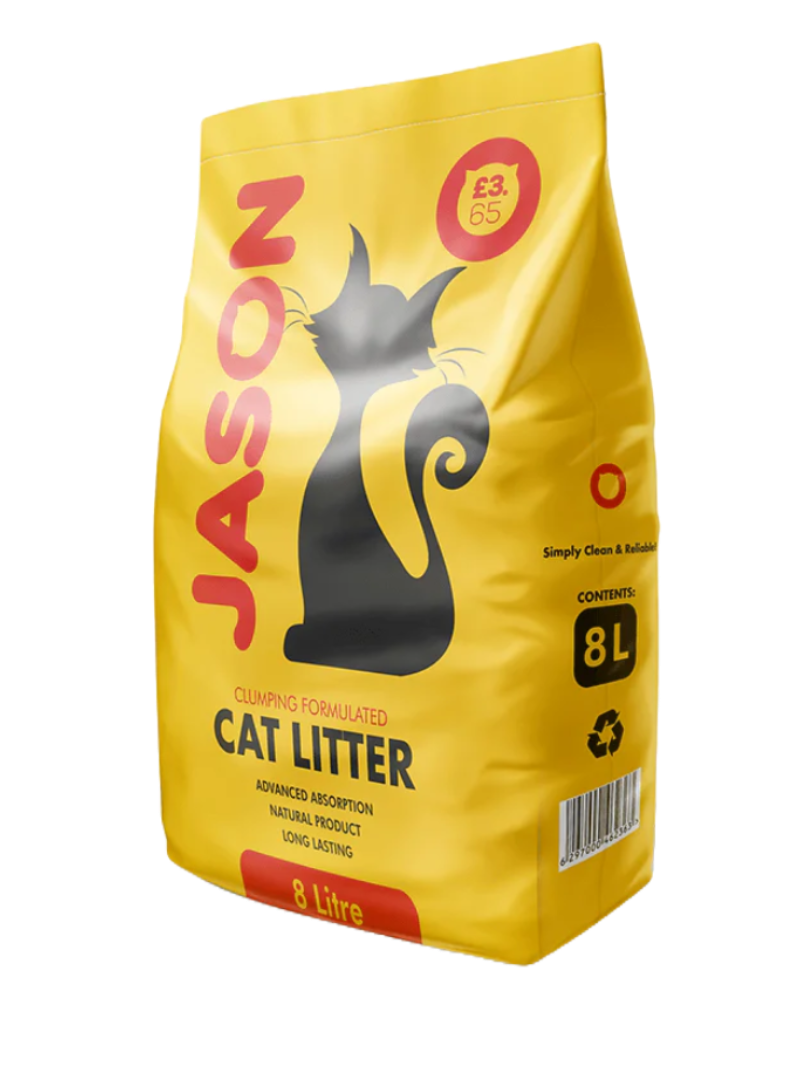
Among cat owners and veterinary discussions alike, silica gel litter has emerged as a leading choice because it directly addresses the two biggest litter complaints: odor and dust. The crystals absorb liquid waste on contact and lock in odor rather than masking it, while producing minimal airborne particles compared to traditional clay. Brands like JASON cat litter package this format in multiple sizes - 5 Litre, 8 Litre, and 16 Litre - making it practical for single-cat homes and larger multi-cat households alike, without requiring frequent full-box changes.
How to Transition Your Cat to a New Litter
- Mix gradually: Combine 25% new litter with 75% old litter for the first few days.
- Increase the ratio: Move to a 50/50 mix over the following week.
- Watch behavior: Confirm your cat is digging and covering normally before fully switching.
- Keep the box clean: Scoop daily regardless of litter type - this matters more to cats than the litter material itself.
- Avoid sudden full swaps: Cats can reject a box entirely if the texture changes too abruptly.
Let’s Answer What You’re Wondering
Q1. What is the best cat litter for odor control?
Silica gel (crystal) litter generally provides the best odor control because it absorbs moisture and traps odor molecules at the source rather than masking smell, keeping boxes fresher for up to 3-4 weeks per use.
Q2. Is silica gel cat litter safe for cats?
Yes, silica gel litter is considered safe for most cats when used as directed. It's low-dust and non-clumping in the digestive sense, though owners of kittens or cats prone to eating litter should supervise use, as with any litter type.
Q3. How often should I change cat litter?
Clumping clay litter typically needs a full change every 1-2 weeks with daily scooping, while silica gel litter can often last 3-4 weeks per box due to its higher absorption capacity.
Q4. What cat litter is best for multiple cats?
For multi-cat homes, high-capacity silica gel litter - such as an 8 Litre or 16 Litre bag - is ideal since it manages more waste per box before needing replacement, reducing both odor buildup and maintenance frequency.
Q5. Is clumping or non-clumping litter better?
Clumping litter is generally better for most households because it allows for easy daily scooping of solid waste, whereas non-clumping litter requires more frequent full-box changes and tends to retain more odor over time.
Q6. Which cat litter produces the least dust?
Silica gel and many natural litters (tofu, pine, corn) produce significantly less dust than traditional clay litters, making them better choices for cats or owners with respiratory sensitivities.
Q7. Can I flush cat litter down the toilet?
Only litters explicitly labeled "flushable," typically certain natural/plant-based litters, should ever be flushed. Clay and silica gel litters should never be flushed, as they can clog plumbing.
The Bottom Line
There's no single "best" cat litter for every household - but there is a best litter for your household, based on odor sensitivity, number of cats, budget, and eco-priorities. If low dust, long-lasting odor control, and easy maintenance top your list, silica gel litter stands out as the modern winner of the great litter debate. Options like JASON cat litter, available in 5, 8, and 16 Litre sizes, are built specifically around these priorities - giving cat owners a low-mess, high-performance solution for daily litter box care.
Ready to upgrade your cat's litter box experience? Explore the JASON products range in 5L, 8L, and 16L sizes and order now for fresher, longer-lasting odor control.