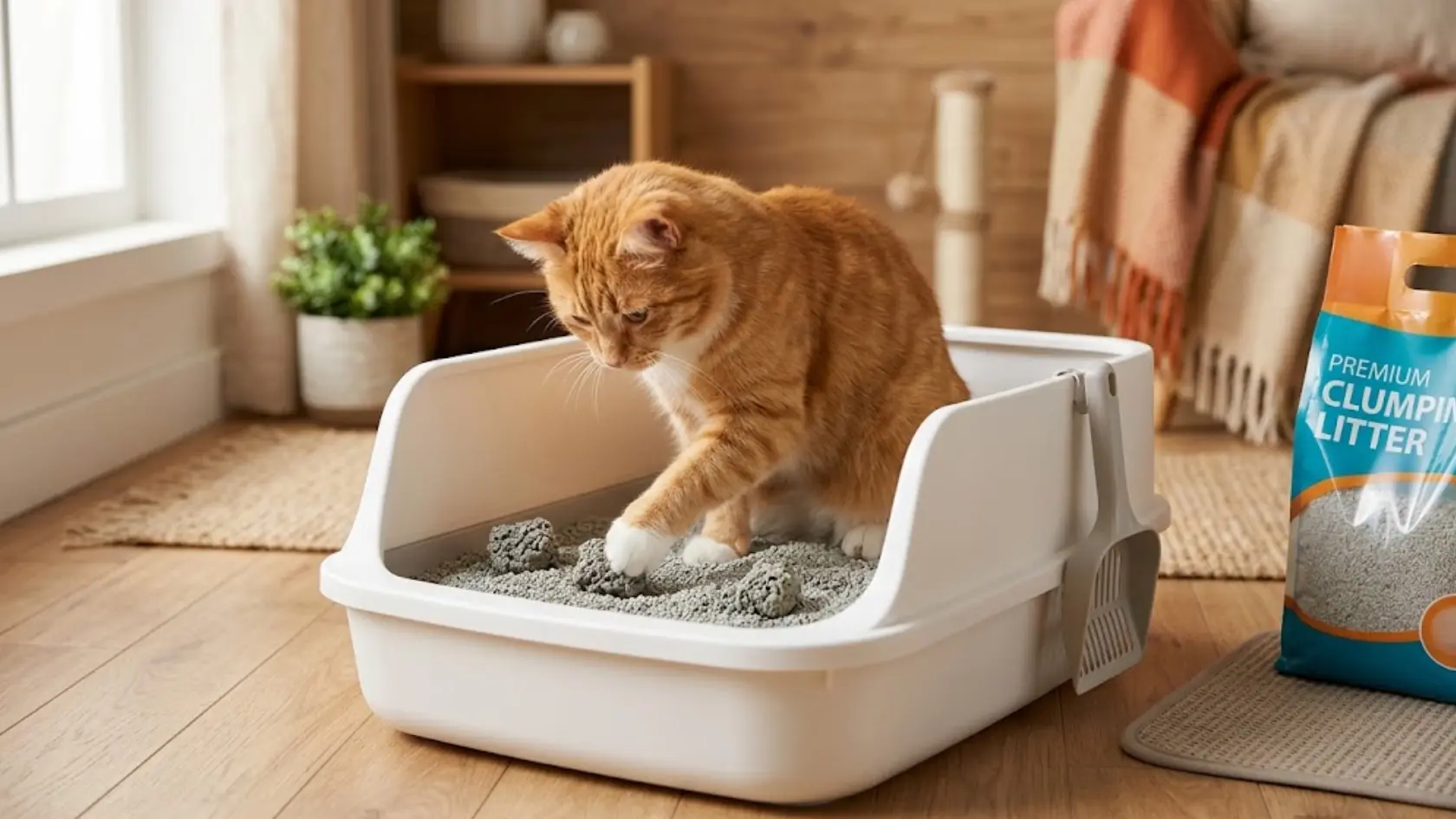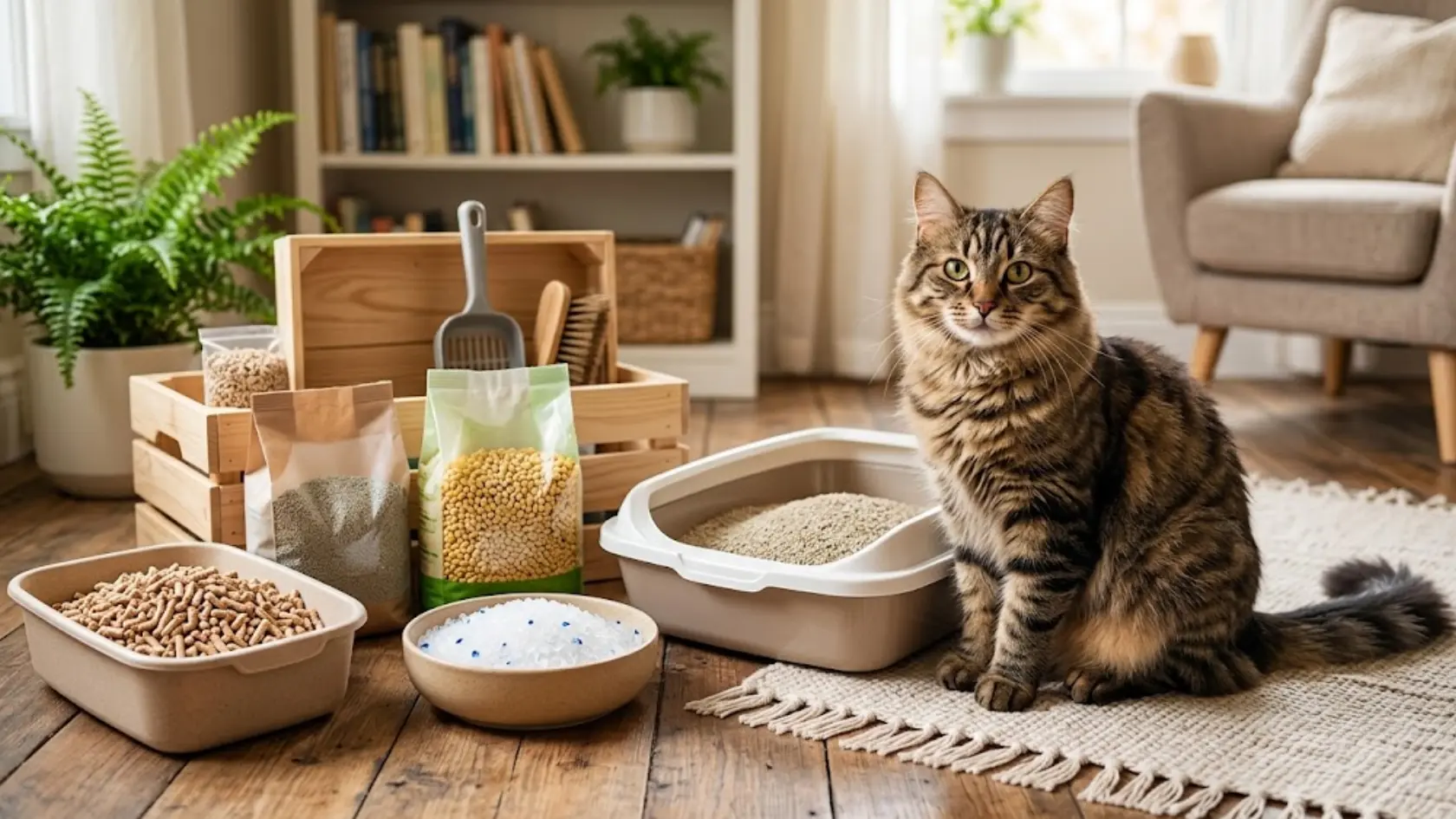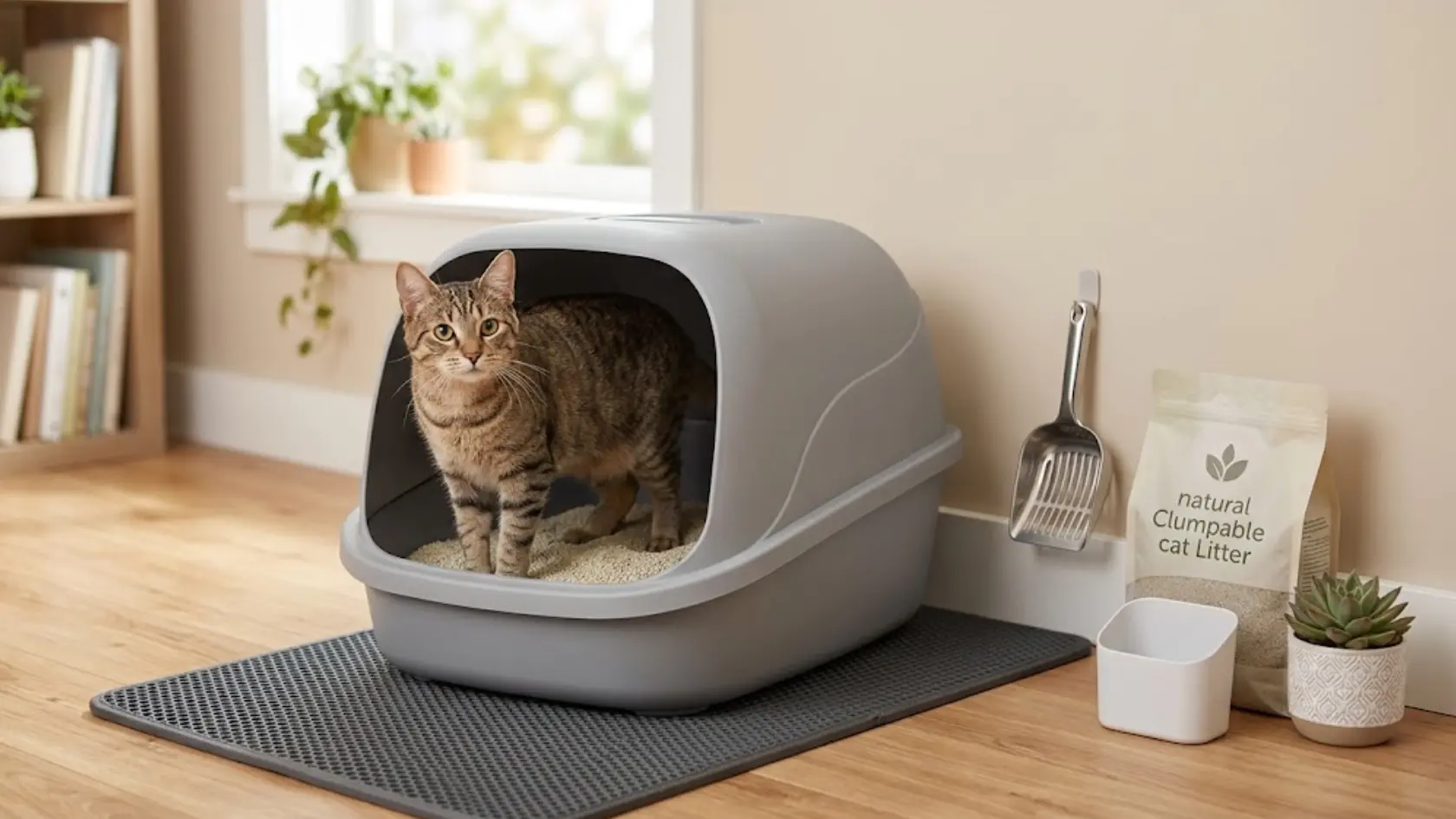
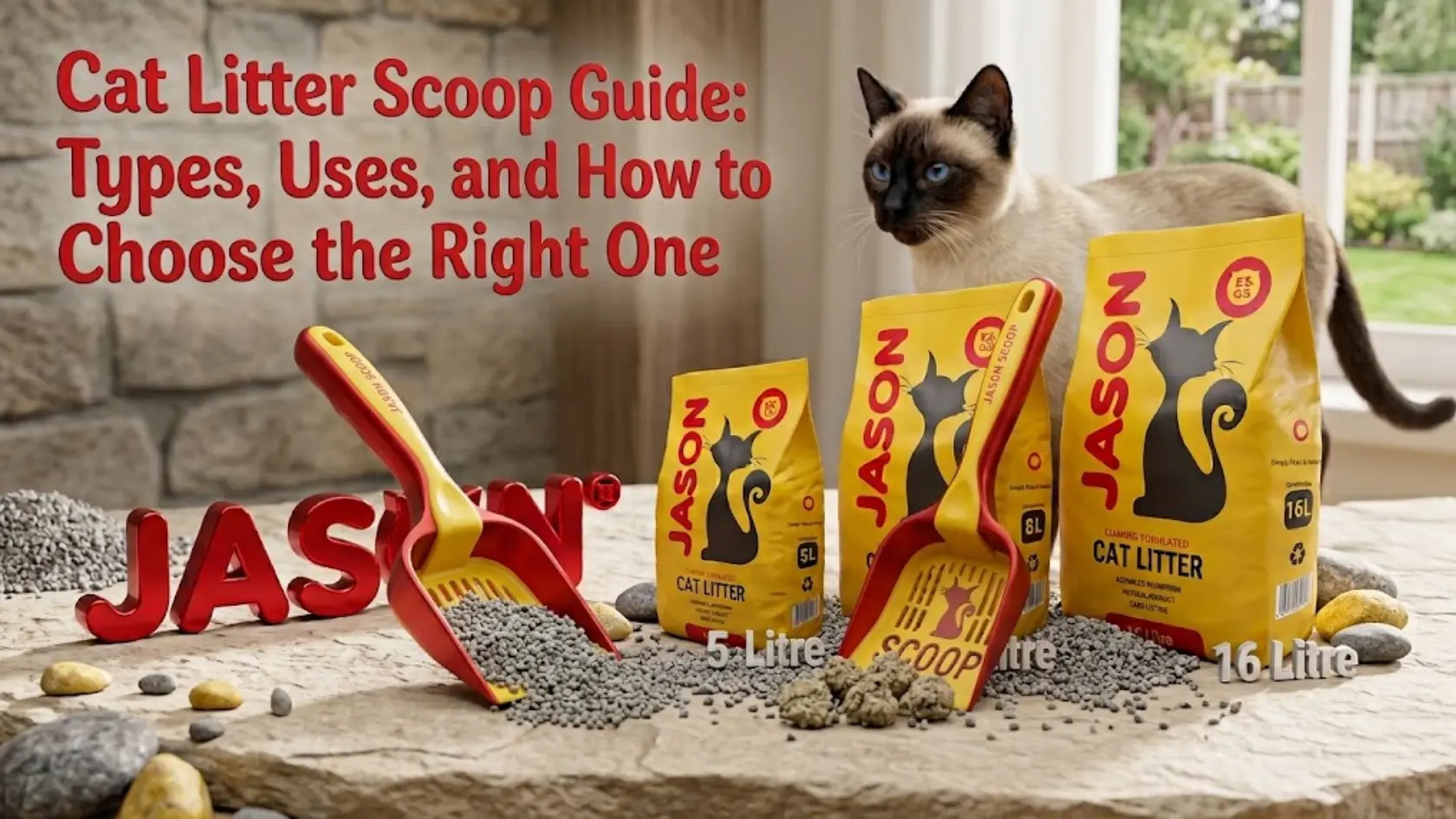
A cat litter scoop is a slotted, shovel-like tool used to remove waste from a cat's litter box while letting clean litter fall back through the slots. It is the single most-used litter accessory in any cat home - and choosing the right one makes daily litter box cleaning faster, cleaner, and more hygienic.
In this guide, you'll learn what a litter scoop does, the different types available, how to pick the right scoop for your litter, the correct scooping technique, and how to keep both your scoop and litter box fresh.
What Is a Cat Litter Scoop?
A cat litter scoop is a handheld tool with a flat, slotted blade attached to a handle. When you dig it through the litter box, solid waste and clumps stay on the blade while clean, unused litter sifts back through the slots into the box. This means you only throw away waste - not fresh litter - which keeps the box hygienic and saves you money on litter over time.
Most scoops are made of plastic or metal, and the size of the slots determines what kind of litter they work best with.
Types of Cat Litter Scoops
There are four main things that separate one scoop from another: material, slot size, handle design, and blade shape.
Plastic Litter Scoops
Plastic scoops are lightweight, inexpensive, and widely available. They work well for light daily scooping, but thin plastic can flex or crack when digging through heavier, compacted litter, and scratched plastic surfaces can hold odour and bacteria over time.
Best for: Budget-conscious owners, light use, single-cat homes.
Metal Litter Scoops
Metal scoops - usually aluminium or stainless steel - are more rigid and durable. They cut cleanly through packed litter and heavy clumps without bending, and their smooth, non-porous surface is easier to sanitize and doesn't absorb odours.
Best for: Multi-cat homes, heavy litter, long-term durability, easier hygiene.
Slot Size: Fine vs. Wide
Slot size matters more than most owners realize:
- Fine slots sift small-granule litter efficiently, so less clean litter gets thrown away with the waste.
- Wide slots let larger granules and pellets pass through quickly, which suits coarser litters and speeds up scooping in big boxes.
Match the slot size to your litter's granule size. If clean litter keeps landing in your waste bag, your slots are too wide; if scooping feels slow and clogged, they're too narrow.
Handle and Blade Design
A longer handle keeps your hand further from the waste and reduces bending. A deep blade with raised edges holds more per pass and stops clumps rolling off. A flat front edge helps you scrape stuck waste from the corners and floor of the box.
How to Choose the Best Cat Litter Scoop
Use this quick checklist when buying a scoop:
- Match the slots to your litter. Fine granules need fine slots; coarse or pellet litters need wider slots.
- Pick a rigid material. A scoop that doesn't flex cuts through litter cleanly - metal is the most durable choice.
- Check the handle length and grip. It should feel comfortable and keep your hand clear of the box.
- Look for smooth, easy-to-clean surfaces. Fewer crevices means fewer places for odour and bacteria to hide.
- Consider a holder or stand. Storing the scoop off the floor keeps things hygienic between cleanings.
How to Scoop Cat Litter the Right Way
Follow these steps for a fast, thorough clean:
- Scoop daily. Once or twice a day keeps odour down and keeps the box inviting for your cat.
- Work in rows. Push the scoop along the floor of the box from one end to the other, letting clean litter sift through.
- Check corners and edges. Waste often sticks where the walls meet the base - use the flat edge of the scoop to release it.
- Shake gently. Give the scoop a light shake over the box so trapped clean litter falls back in.
- Bag and bin the waste. Seal waste in a bag and dispose of it with household rubbish - never flush litter unless the packaging specifically says it is flushable.
- Top up the litter. Keep the litter at a depth of roughly 5–7 cm so your cat can dig comfortably.
Scooping Non-Clumping and Natural Litters
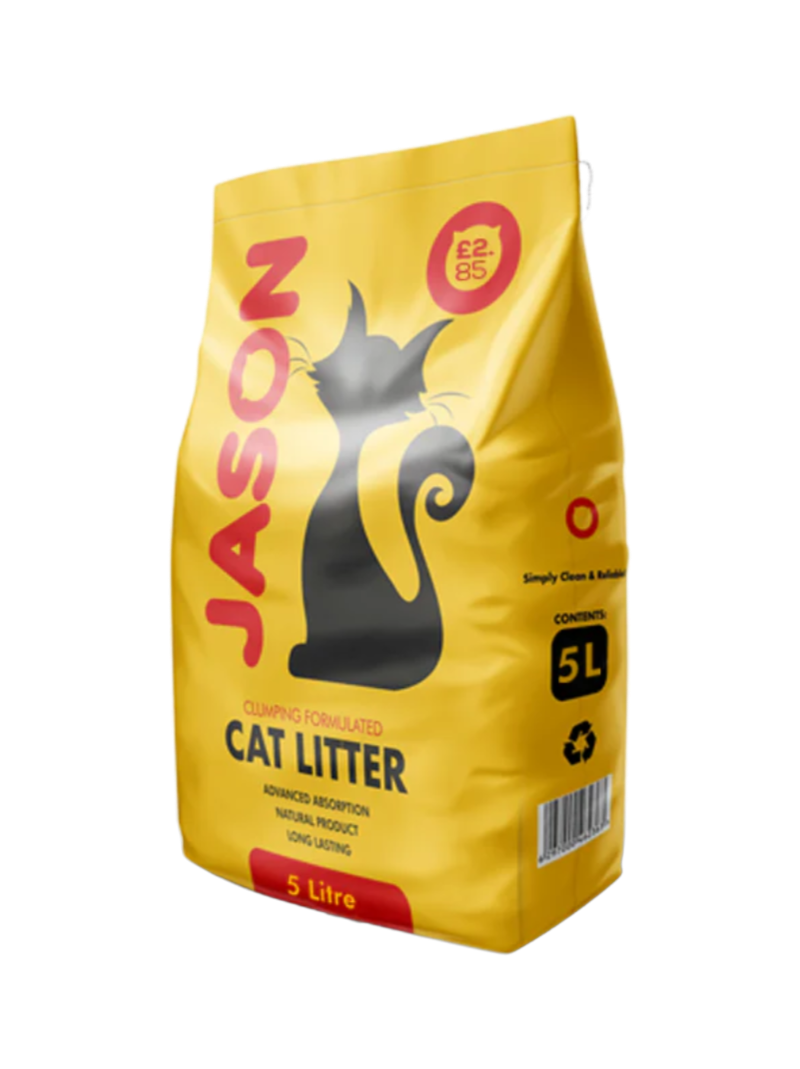
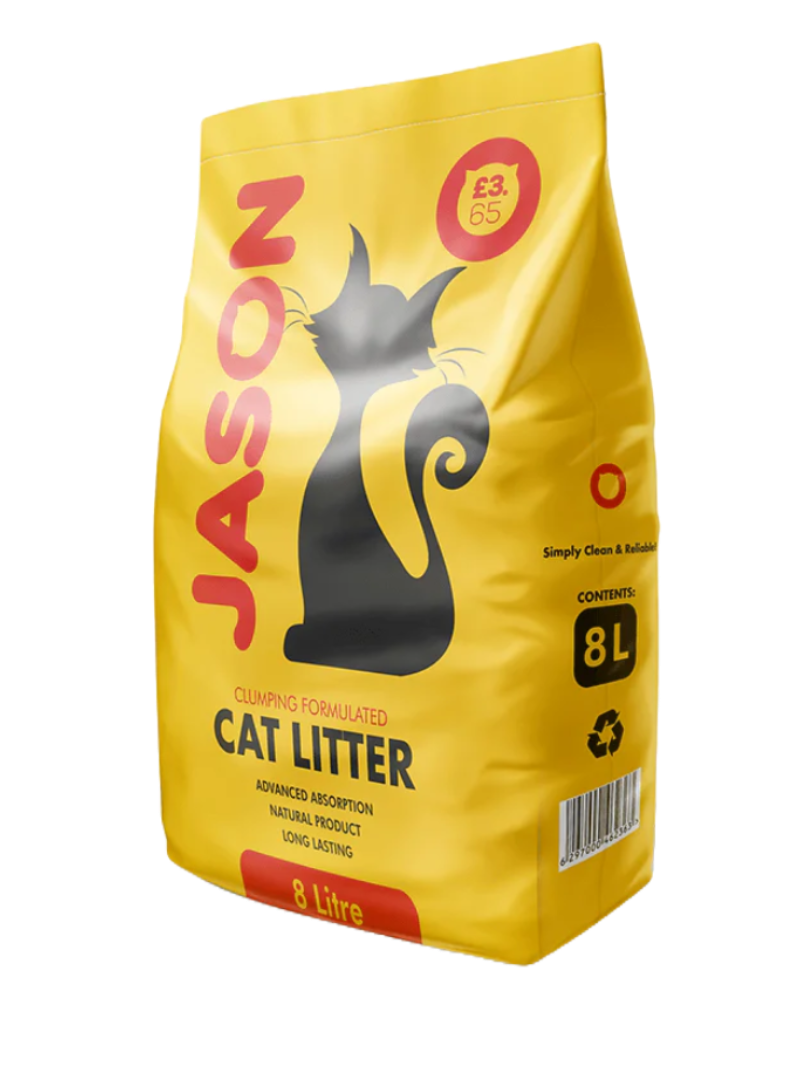
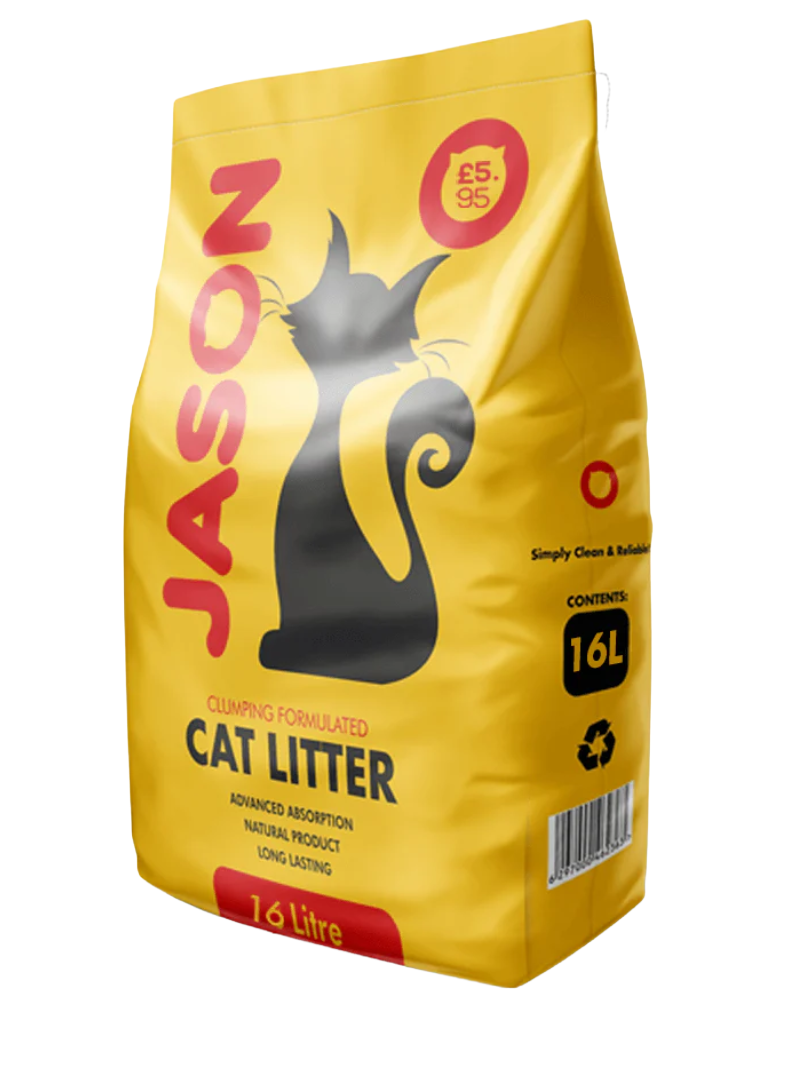
With natural, non-clumping litters, solids are removed daily with the scoop, while the absorbent litter continues soaking up moisture and slowing odour between full changes. A highly absorbent natural litter - such as JASON cat litter, which also doesn't stick to your cat's paws or coat - pairs well with a wide-slot scoop that lets the intact granules sift straight back into the box, so you waste as little clean litter as possible.
How Often Should You Scoop the Litter Box?
Scoop the litter box at least once a day - twice for multi-cat homes. Daily scooping controls odour, reduces bacteria build-up, and matters to your cat too: many cats avoid a dirty box, which can lead to accidents outside it. Alongside daily scooping, empty and wash the entire box and refill it with fresh litter on a regular schedule that suits your litter type and number of cats.
How to Clean a Cat Litter Scoop
A dirty scoop undoes the hygiene of a clean box. Keep yours fresh with this routine:
- After each use: Knock off residue and store the scoop in a holder, not on the floor.
- Weekly: Wash with warm water and mild dish soap, then dry completely before using it again.
- When needed: Sanitize with a pet-safe disinfectant, especially in multi-cat homes. Avoid strong-smelling chemicals like undiluted bleach residue - cats are sensitive to harsh odours and may avoid the box.
- Replace when worn: Cracked plastic or deeply scratched surfaces trap bacteria; replace the scoop rather than scrubbing harder.
Common Litter Scooping Mistakes to Avoid
- Scooping too rarely. Odour and bacteria build fast; daily is the minimum.
- Using the wrong slot size. It wastes clean litter or slows you down.
- Skimming only the surface. Waste settles at the bottom - always run the scoop along the base of the box.
- Ignoring corners. Stuck waste in corners is the most common source of lingering smell.
- Never washing the scoop. The scoop touches waste daily; it needs cleaning too.
- Letting the litter get too shallow. Cats need enough depth to dig and cover.
Here Are the Answers You’re Looking For
Q1. What is a cat litter scoop used for?
A cat litter scoop removes solid waste and soiled clumps from the litter box while letting clean litter sift back through its slots. It allows you to clean the box daily without replacing all the litter, keeping the box hygienic and reducing litter waste.
Q2. Which is better: a metal or plastic litter scoop?
Metal scoops are more durable, cut through packed litter more easily, and are simpler to sanitize because they don't scratch or hold odour the way plastic can. Plastic scoops are cheaper and lighter, and work fine for light daily use. For multi-cat homes or long-term value, metal is generally the better choice.
Q3. How often should I scoop my cat's litter box?
Scoop at least once a day, and twice daily if you have more than one cat. Daily scooping controls odour, limits bacteria, and keeps the box comfortable enough that your cat keeps using it.
Q4. What size scoop slots do I need?
Match the slots to your litter's granule size. Fine slots suit small-granule litters and save clean litter from being thrown out; wider slots suit coarse or pellet-style litters and make scooping faster. If clean litter ends up in your waste bag, switch to finer slots.
Q5. Do I need a scoop for non-clumping litter?
Yes. With non-clumping litter, you use the scoop to remove solid waste daily, while the absorbent litter continues managing moisture and odour until the next full change. A wide-slot scoop works best so intact granules fall back into the box.
Q6. How do I clean a litter scoop?
Wash the scoop weekly with warm water and mild dish soap, dry it fully, and store it in a holder off the floor. Sanitize it with a pet-safe disinfectant when needed, and replace scoops that are cracked or heavily scratched, since damaged surfaces trap bacteria.
Q7. Can I flush cat litter down the toilet?
No - do not flush cat litter unless the packaging specifically states it is flushable. Most litters expand with moisture and can block plumbing. Seal scooped waste in a bag and dispose of it with your household rubbish.
Let’s Wrap Things Up
The right cat litter scoop turns litter box cleaning from a chore into a thirty-second daily habit. Match the slot size to your litter, choose a rigid, easy-to-clean scoop, work it along the base and corners of the box, and wash the scoop itself regularly. Pair that routine with a quality litter and your litter box stays fresh, your home stays clean, and your cat stays happy.
A good scoop does half the work - the litter does the rest. JASON cat litter is a purely natural, highly absorbent litter that helps slow the development of odours and doesn't stick to your cat's paws or coat, making daily scooping quicker and cleaner.
Ready for an easier litter routine? Shop JASON products in 5, 8, and 16 litre bags, with delivery across Pakistan - or contact our team at +92 21 32360055-59 for help choosing the right size for your home.