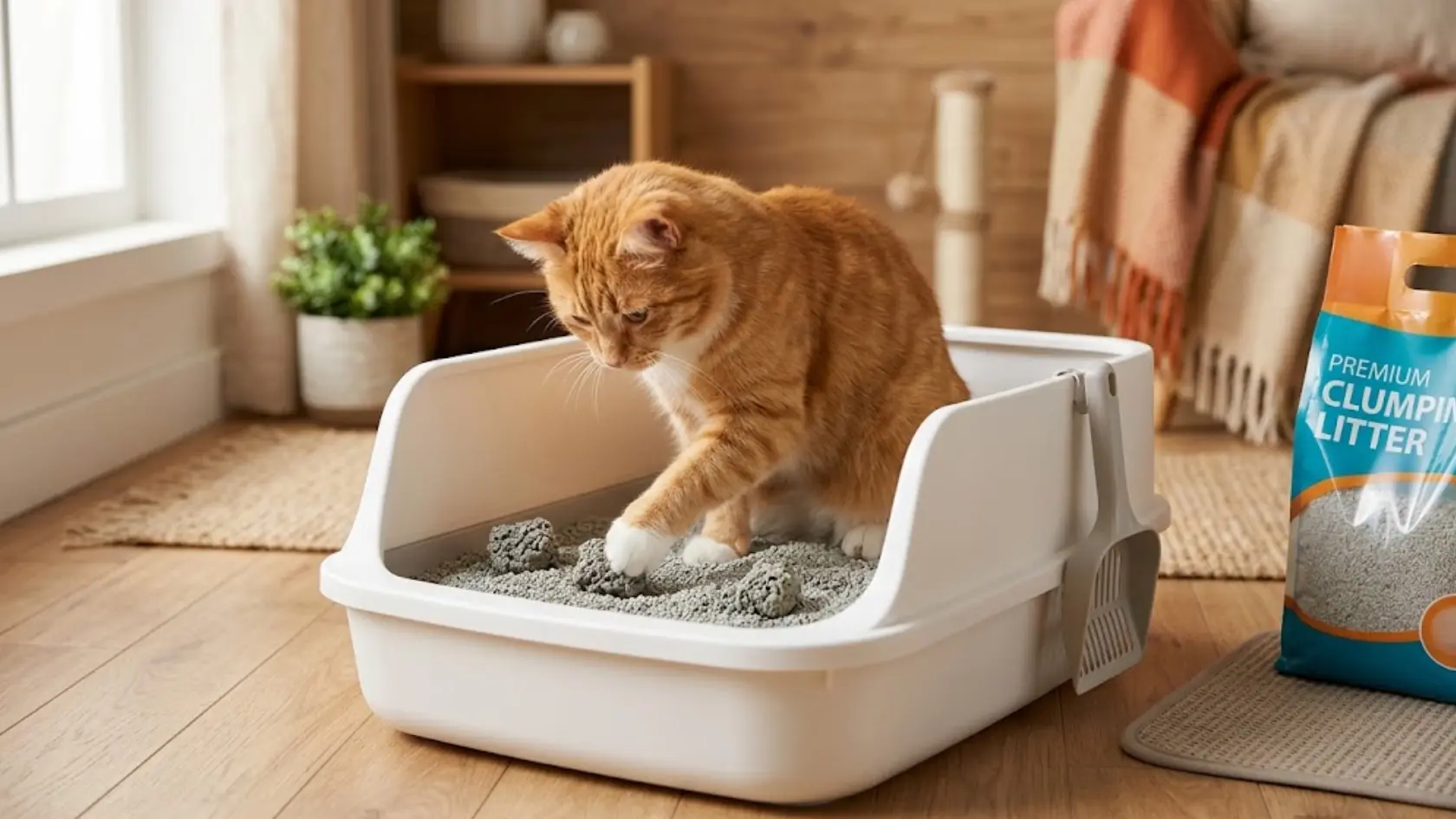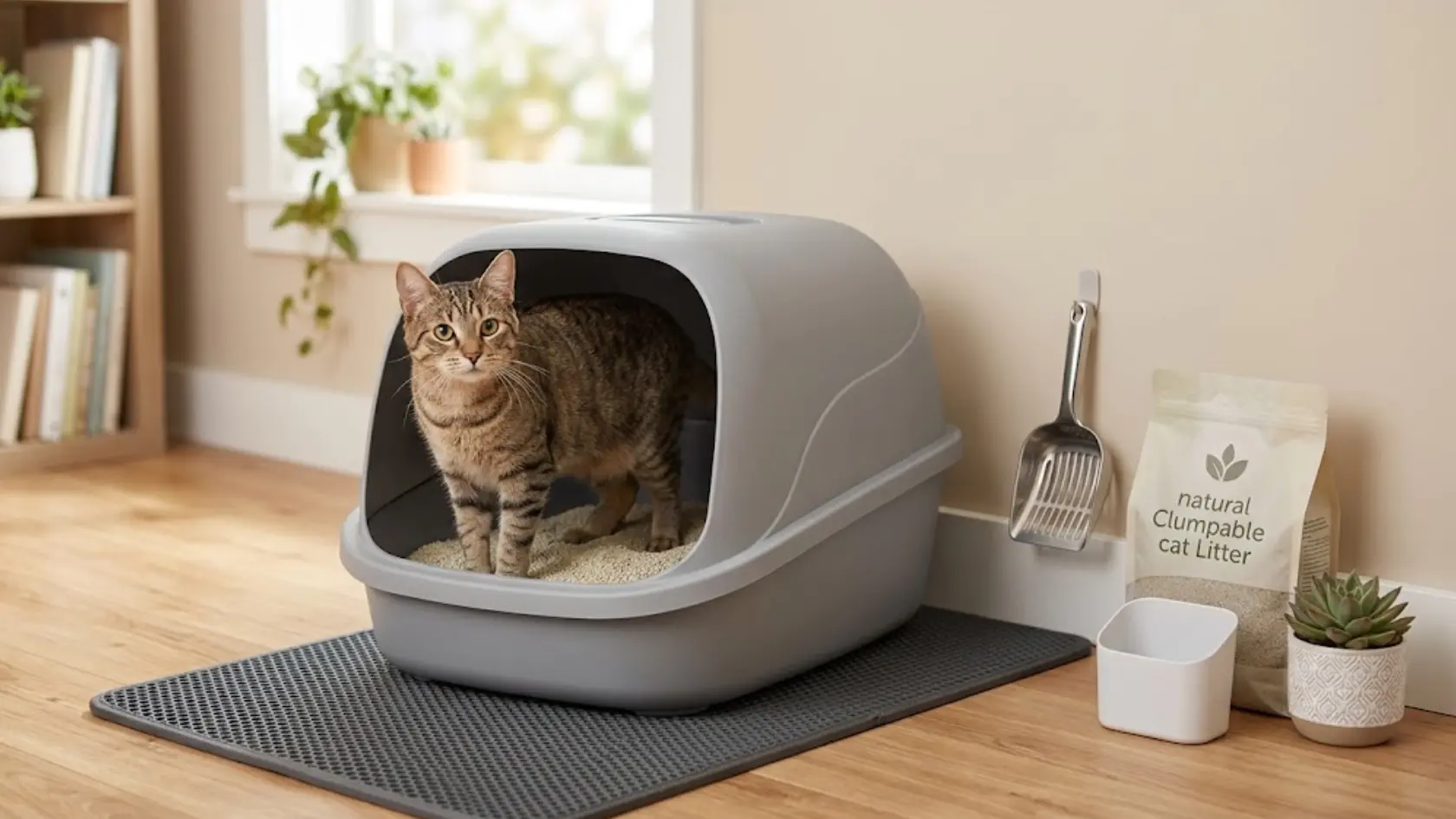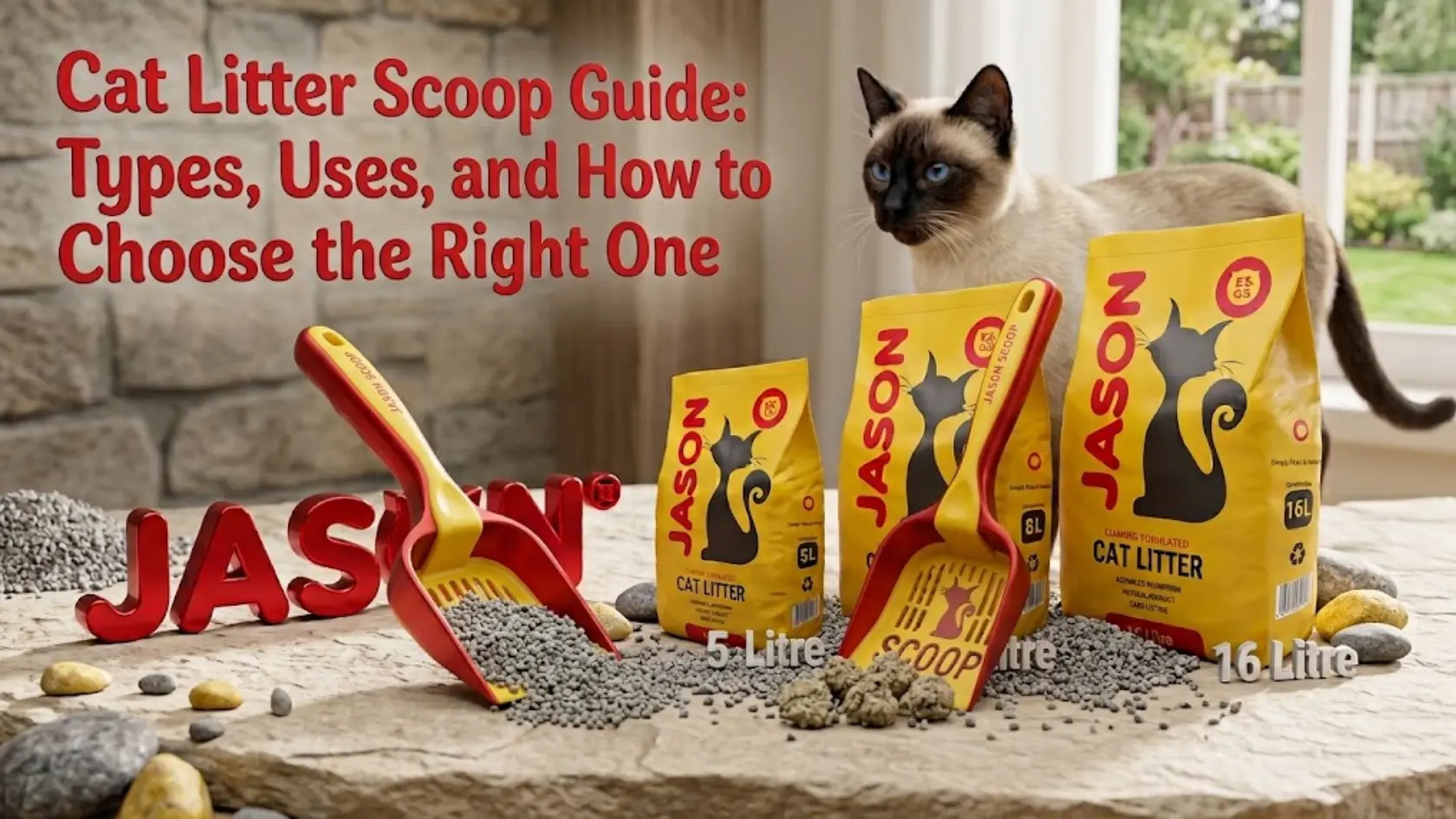
If you share your home with a cat, you already know that cat litter sand is one of the most important purchases you'll make for your pet - and for your own peace of mind. The right litter controls odor, keeps your home clean, and keeps your cat happy enough to actually use the box. The wrong one leads to smells, tracking, and a cat who protests by going elsewhere.
This guide breaks down everything you need to know about cat litter sand: what it is, how it works, the different types available, how to choose the right one, and how to use it correctly - with real product examples from JASON cat litter, available in 5 Litre, 8 Litre, and 16 Litre sizes.
What Is Cat Litter Sand?
Cat litter sand is a granular, absorbent material designed to be placed in a litter box so cats can urinate and defecate in a controlled, hygienic space. Most modern cat litter sand is made from bentonite clay, a naturally occurring mineral known for its high absorbency and clumping ability.
When liquid touches bentonite-based litter sand, the granules bind together into a solid clump. This makes waste easy to scoop out while leaving the rest of the litter clean and reusable - which is why bentonite clumping sand is the most widely used cat litter type worldwide.
How Does Cat Litter Sand Work?
Cat litter sand works through two core mechanisms:
- Absorption - The granules soak up liquid waste on contact, pulling moisture away from the surface.
- Clumping - Certain minerals (like sodium bentonite) swell and bind together when wet, forming a solid, scoopable clump that traps both liquid and odor inside.
High-quality cat litter sand, such as JASON cat litter, is also formulated with odor-neutralizing agents and natural minerals that trap ammonia smells at the source rather than simply masking them with fragrance.
Types of Cat Litter Sand
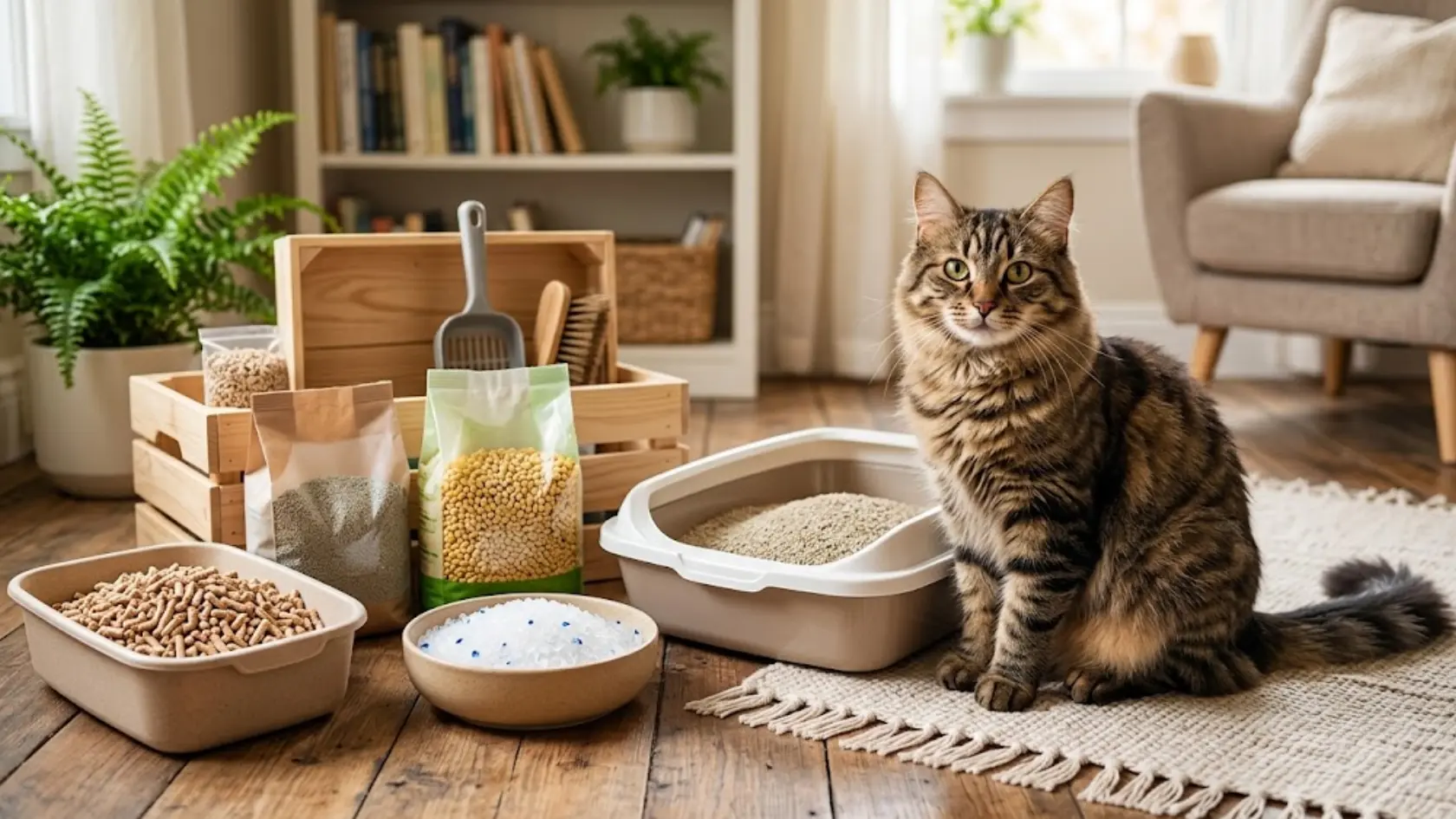
Not all cat litter is the same. Here's a breakdown of the main types so you can understand where clumping bentonite sand fits in.
1. Clumping Bentonite Sand
The industry standard. Forms tight, solid clumps for easy daily scooping. Excellent odor control and long-lasting use. JASON cat litter falls into this category.
2. Non-Clumping Clay Litter
Absorbs moisture but does not form solid clumps, meaning the entire box often needs full replacement more frequently.
3. Silica Gel Litter
Made from silica crystals; highly absorbent but doesn't clump, and some cats dislike the texture on their paws.
4. Natural/Biodegradable Litter
Made from materials like corn, wheat, or wood. Environmentally friendly but generally less effective at odor control and clumping than bentonite sand.
Bottom line: For most households, clumping bentonite cat litter sand offers the best balance of odor control, ease of cleaning, and value for money.
Benefits of Using High-Quality Cat Litter Sand
- Superior odor control - traps ammonia and waste smells instead of masking them
- Easy daily maintenance - clumps lift out cleanly with a scoop
- Long-lasting - less frequent full box changes save money over time
- Dust-reduced formulas - better for both cat and human respiratory health
- Better litter box compliance - cats are more likely to use a clean, low-odor box consistently
How to Choose the Right Cat Litter Sand
When comparing cat litter sand products, evaluate these factors:
| Factor | What to Look For |
| Clumping strength | Firm, easy-to-scoop clumps that don't crumble |
| Odor control | Natural mineral-based odor neutralization, not just perfume |
| Dust level | Low-dust formula for cleaner air and easier cleanup |
| Granule size | Fine, soft texture cats prefer for digging and covering |
| Bag size | Matches your household's number of cats and usage frequency |
| Value for money | Cost per use, not just price per bag |
JASON Cat Litter: Available Sizes & Pricing
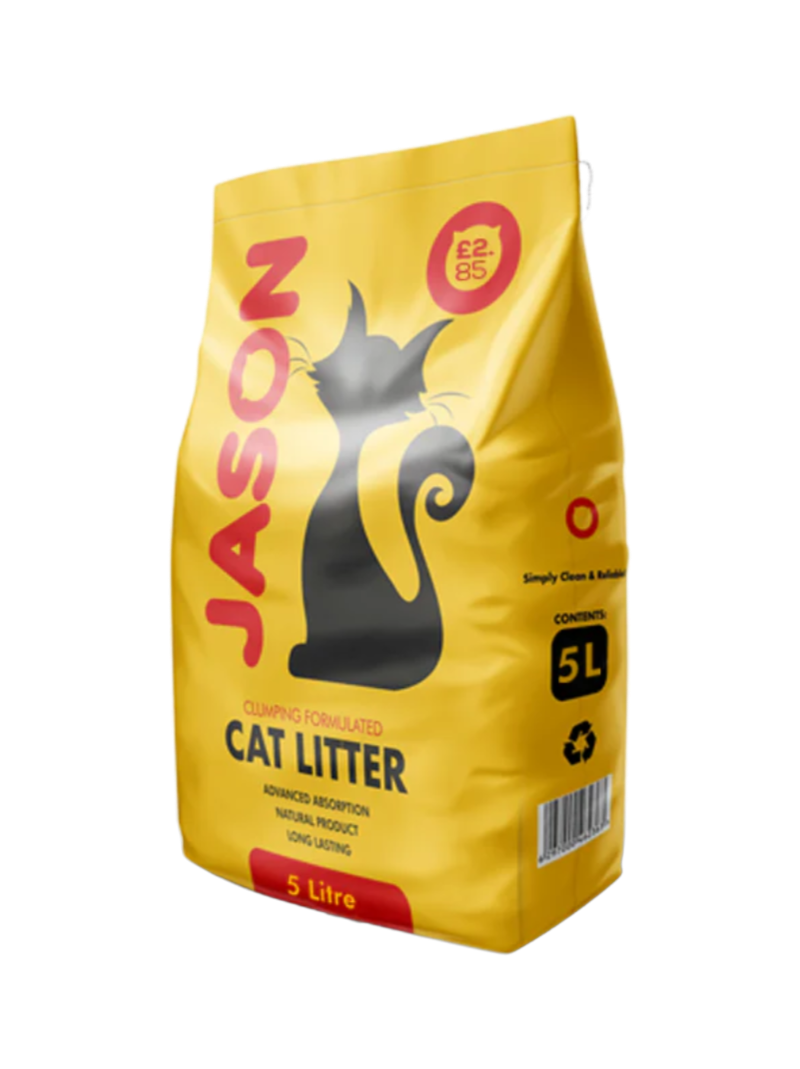
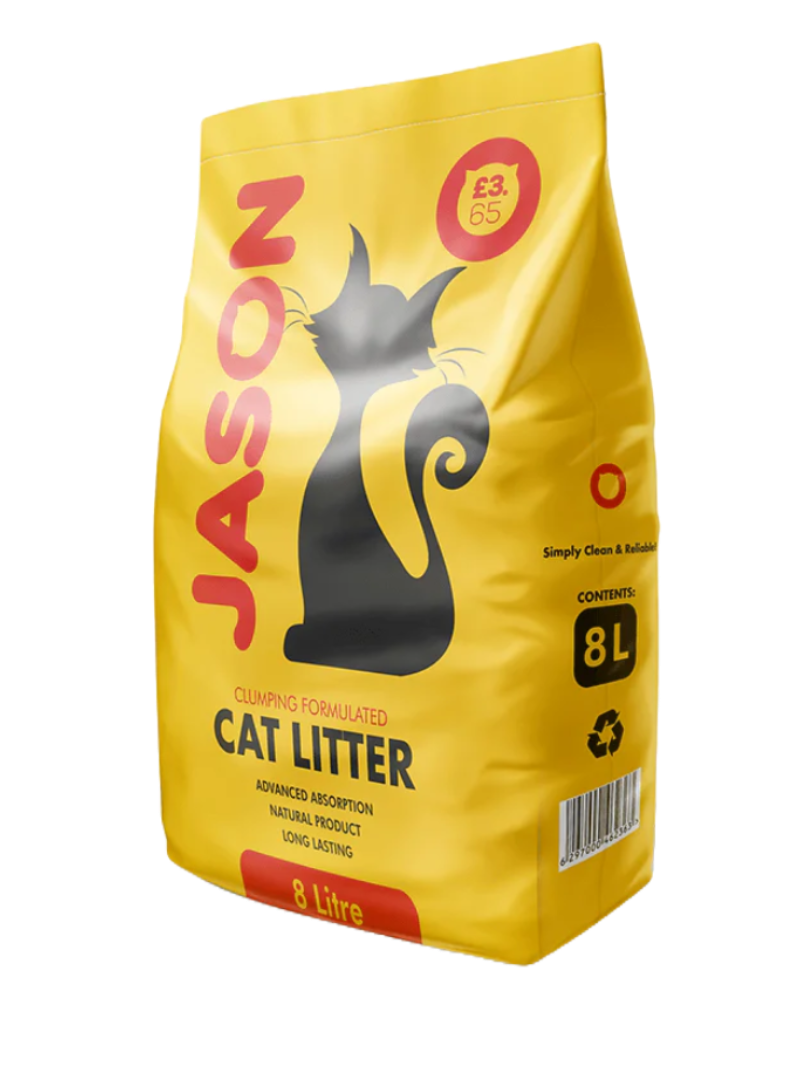
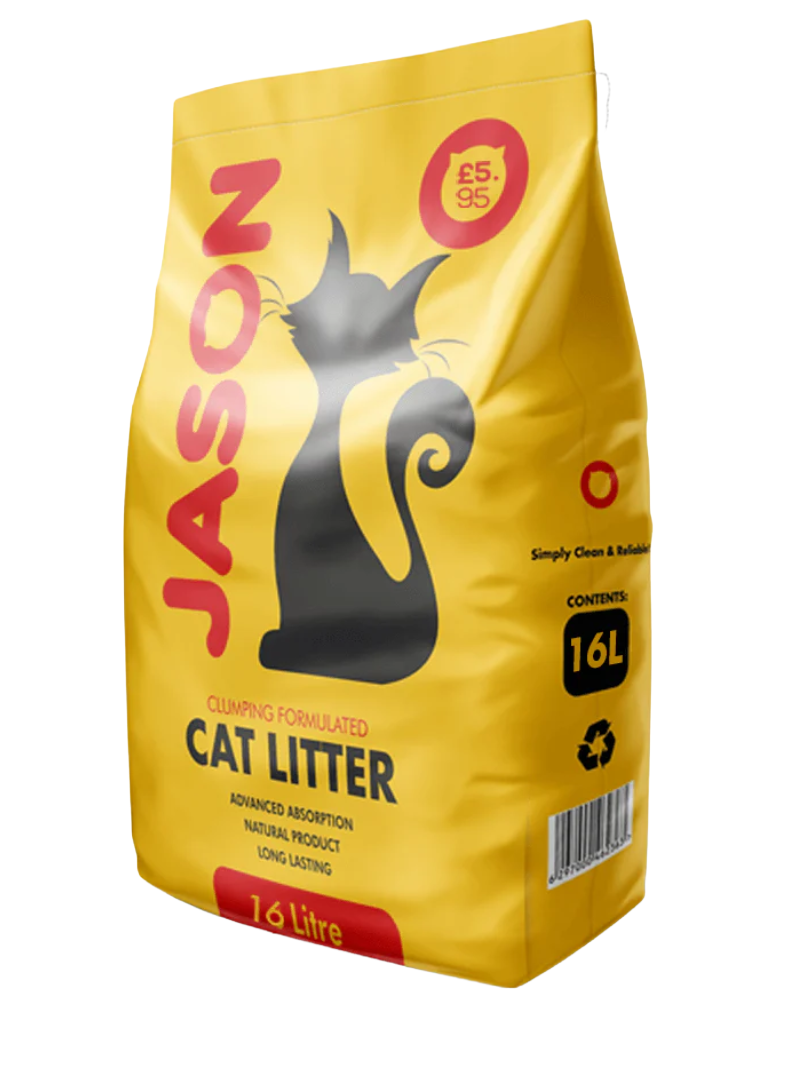
JASON cat litter is a clumping bentonite sand designed for simple, effective odor control and easy daily cleanup - ideal for homes with one or multiple cats. It's available in three convenient sizes to match different household needs:
| Product | Size | Price |
| JASON Cat Litter - 5 Litre | Compact size, ideal for single-cat households or trial use | Rs. 1,000.00 PKR |
| JASON Cat Litter - 8 Litre | Balanced size for regular monthly use | Rs. 1,500.00 PKR |
| JASON Cat Litter - 16 Litre | Best value bulk size for multi-cat homes or long-term stock-up | Rs. 2,800.00 PKR |
Which size should you buy?
- One cat, first-time buyer? Start with the 5 Litre bag to test how well it suits your cat.
- One or two cats, regular use? The 8 Litre bag offers a practical monthly supply.
- Multiple cats or want to save long-term? The 16 Litre bag delivers the best cost-per-liter value.
How to Use Cat Litter Sand Correctly
- Fill the box with 2-3 inches of cat litter sand - enough for digging and covering.
- Scoop daily to remove clumps and solid waste, keeping odor to a minimum.
- Top up litter as levels drop below the recommended depth.
- Fully replace and clean the box every 2-4 weeks, depending on the number of cats and litter type.
- Wash the litter box with mild, unscented soap - strong scents can discourage cats from using it.
Common Mistakes to Avoid
- Not scooping often enough - leads to odor buildup and litter box avoidance
- Using too little litter - reduces clumping effectiveness and absorption
- Switching litter types abruptly - can confuse or stress your cat; transition gradually by mixing old and new litter
- Choosing scent over performance - heavy fragrances can irritate cats and won't fix poor odor control at the source
Your Questions, Answered
Q1. What is the best type of cat litter sand?
Clumping bentonite cat litter sand is generally considered the best type because it absorbs moisture effectively, forms solid clumps for easy scooping, and controls odor better than non-clumping or silica-based alternatives.
Q2. How often should I change cat litter sand?
You should scoop clumps and waste daily, and fully replace the litter every 2-4 weeks, depending on the number of cats using the box and how often it's cleaned.
Q3. How much cat litter sand should I put in the box?
A depth of 2-3 inches (about 5-7 cm) is ideal. This gives cats enough material to dig and cover their waste while allowing the litter to absorb moisture effectively.
Q4. Is clumping cat litter safe for kittens?
Clumping bentonite litter is generally not recommended for very young kittens (under 8 weeks), as they may accidentally ingest it while exploring. Non-clumping or natural litter is safer for kittens.
Q5. Why does my cat litter smell even after scooping?
Persistent odor after scooping usually means the litter needs a full change, the box needs cleaning, or the litter's odor-control formula isn't strong enough. High-quality options like JASON cat litter are formulated to neutralize odor at the source.
Q6. What size of cat litter bag do I need?
For one cat, a 5-8 Litre bag typically lasts several weeks. For multiple cats or long-term stock-up, a 16 Litre bag offers better value and fewer repurchases.
Q7. Can I mix different brands of cat litter?
Yes, especially when transitioning between products. Gradually mixing old and new litter over 5-7 days helps your cat adjust without stress or box avoidance.
Let’s Wrap Things Up
Choosing the right cat litter sand comes down to three things: strong clumping, effective odor control, and consistency your cat can rely on. Clumping bentonite litter remains the top choice for most households because it's easy to maintain, keeps your home smelling fresh, and supports good litter box habits.
JASON cat litter delivers on all three, with flexible sizing - 5 Litre, 8 Litre, and 16 Litre - to fit any household, from a single cat to a multi-cat home.
Ready to Upgrade Your Cat's Litter Box?
Shop the full JASON product range today - 5L (Rs. 1,000), 8L (Rs. 1,500), and 16L (Rs. 2,800) - and give your cat a cleaner, fresher space every day.