If you share your home with a cat, the litter box is one of the most important - and most overlooked - pieces of equipment you own. A poorly chosen or badly maintained litter box is the #1 reason cats stop using it, leading to accidents around the house, stress for your pet, and frustration for you.
This guide covers everything you need to know: choosing the right litter box, how many boxes you need, ideal placement, cleaning routines, and how to pair your box with a high-performing litter like JASON cat litter for the best results.
What Is a Cat Litter Box?
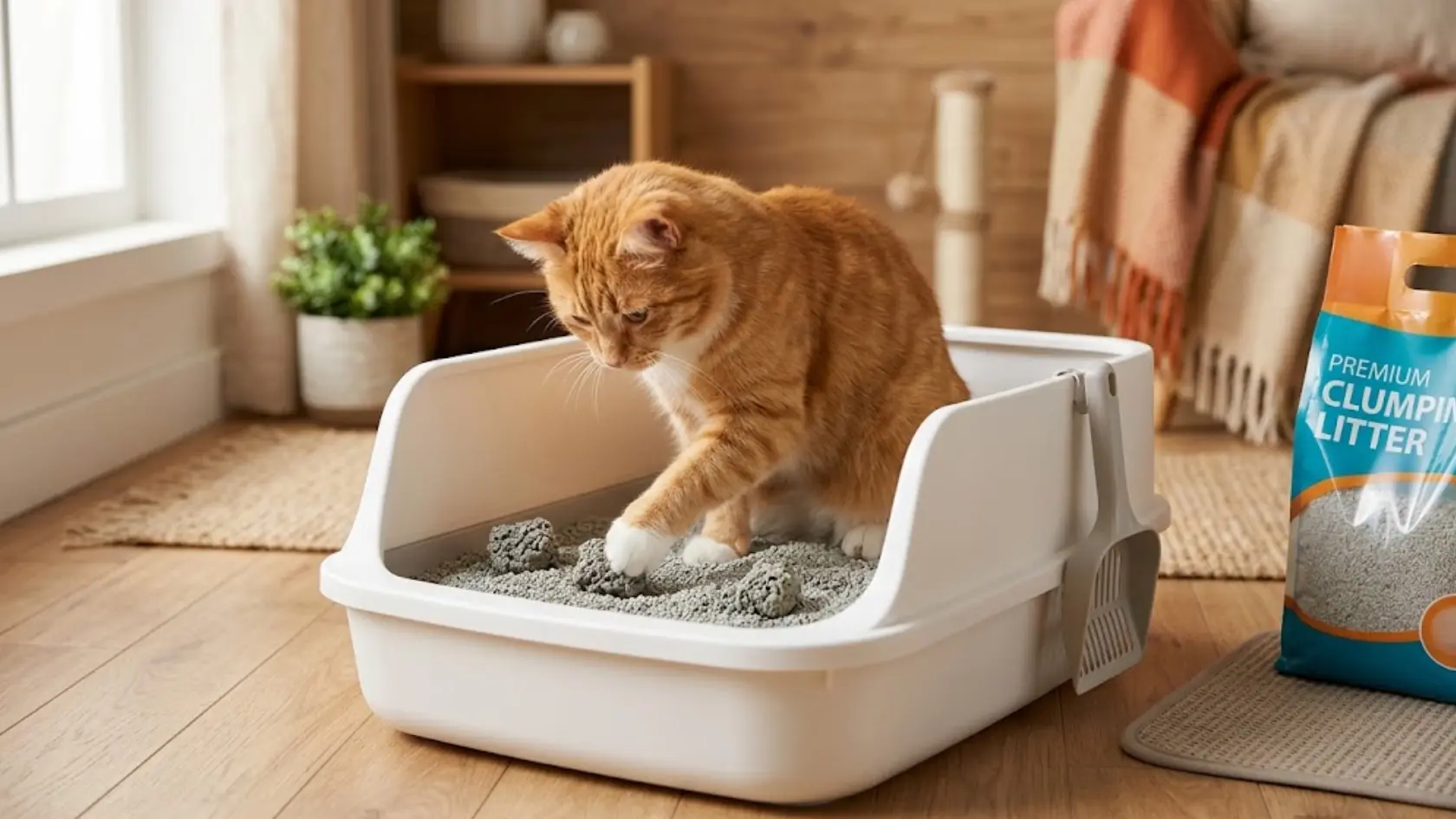
A cat litter box (also called a litter tray or litter pan) is a container filled with absorbent material - cat litter - designed to give cats a dedicated, hygienic space to urinate and defecate indoors. It mimics a cat's natural instinct to bury waste in loose soil or sand, making it one of the easiest pets to house-train.
A good litter box setup has three components working together:
- The box (shape, size, and depth suited to your cat)
- The litter (absorbency, odor control, clumping ability)
- The location (quiet, accessible, and private)
Getting all three right is the foundation of a clean home and a happy, stress-free cat.
Types of Cat Litter Boxes
1. Open (Standard) Litter Boxes
Simple, uncovered trays. They're affordable, easy to clean, and allow maximum ventilation - but odor and litter tracking are more noticeable.
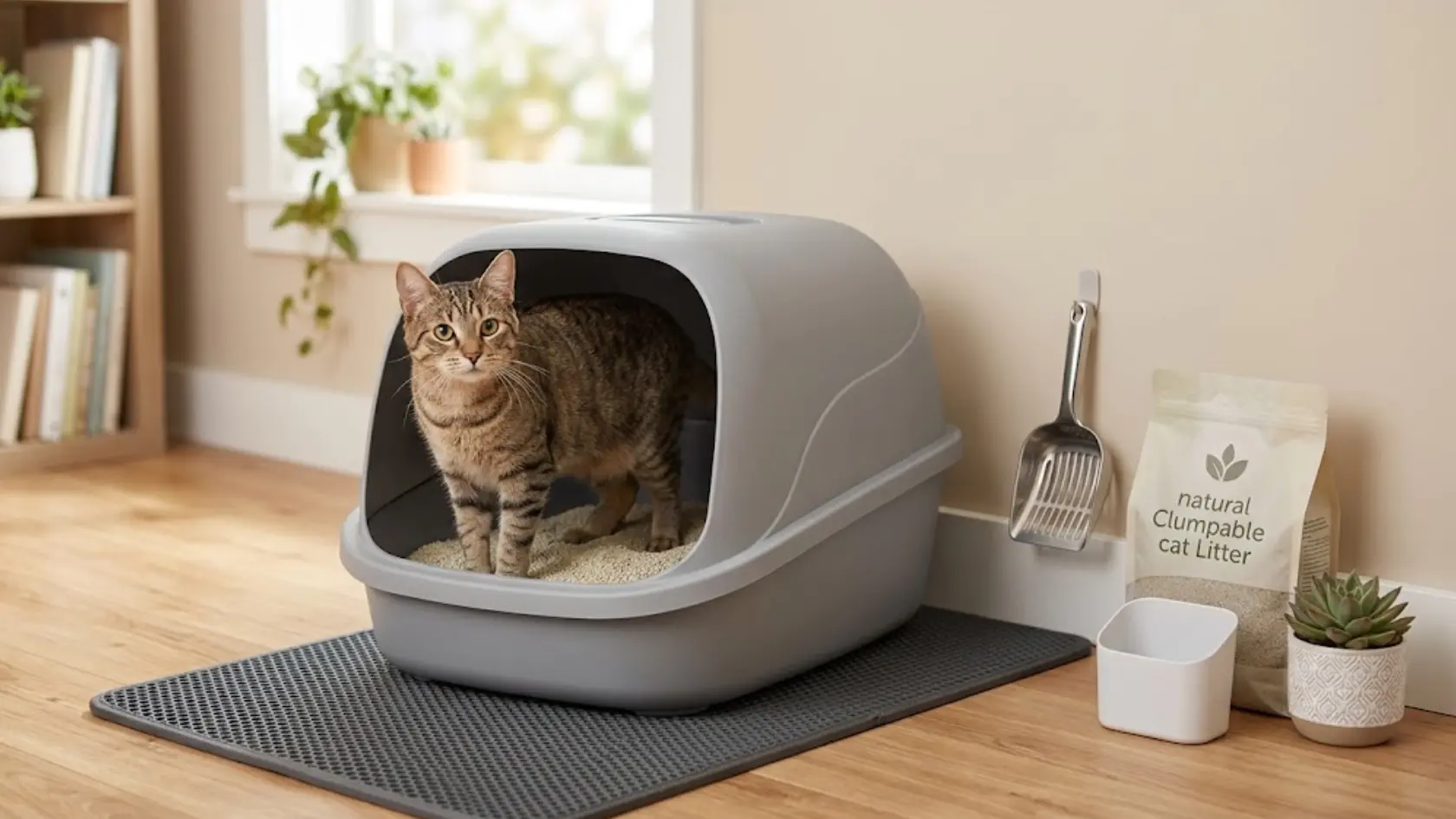
2. Covered (Hooded) Litter Boxes
Enclosed boxes with a lid and entry flap. They contain smells and litter scatter better, though some cats feel trapped or avoid them if ventilation is poor.
3. Self-Cleaning (Automatic) Litter Boxes
Motion or timer-activated boxes that rake waste into a separate compartment. Convenient for busy owners, but they require reliable, clump-forming litter to work properly.
4. Top-Entry Litter Boxes
Cats enter from the top, which reduces tracking and keeps dogs or toddlers out - best suited for younger, agile cats.
5. High-Sided / Corner Litter Boxes
Ideal for cats that spray while urinating or dig enthusiastically, and great for small spaces.
The main types of cat litter boxes are open trays, covered/hooded boxes, self-cleaning automatic boxes, top-entry boxes, and high-sided corner boxes - each suited to different cat behaviors and household needs.
How to Choose the Right Litter Box Size
As a rule of thumb: the litter box should be at least 1.5 times the length of your cat, from nose to base of tail. Cats need room to turn around, dig, and squat comfortably.
| Cat Size | Recommended Box Length |
| Kitten | 12-16 inches |
| Average adult cat | 18-24 inches |
| Large breed (e.g., Maine Coon) | 24+ inches |
A box that's too small is one of the most common - and most fixable - causes of litter box avoidance.
How Many Litter Boxes Do You Need?
Veterinary behaviorists recommend the "n+1" rule: one litter box per cat, plus one extra.
- 1 cat → 2 litter boxes
- 2 cats → 3 litter boxes
- 3 cats → 4 litter boxes
This reduces territorial stress and ensures a clean box is always available, especially in multi-cat households.
Best Litter Box Placement Tips
- Quiet and low-traffic: Avoid loud appliances (washing machines, furnaces) nearby.
- Easily accessible: Every floor of a multi-story home should have at least one box.
- Private but not isolated: Cats want privacy, but not to feel cornered or trapped.
- Away from food and water: Cats instinctively avoid eliminating near where they eat.
- Stable, flat surface: Wobbly boxes discourage use, especially for kittens and senior cats.
Choosing the Right Litter for Your Box
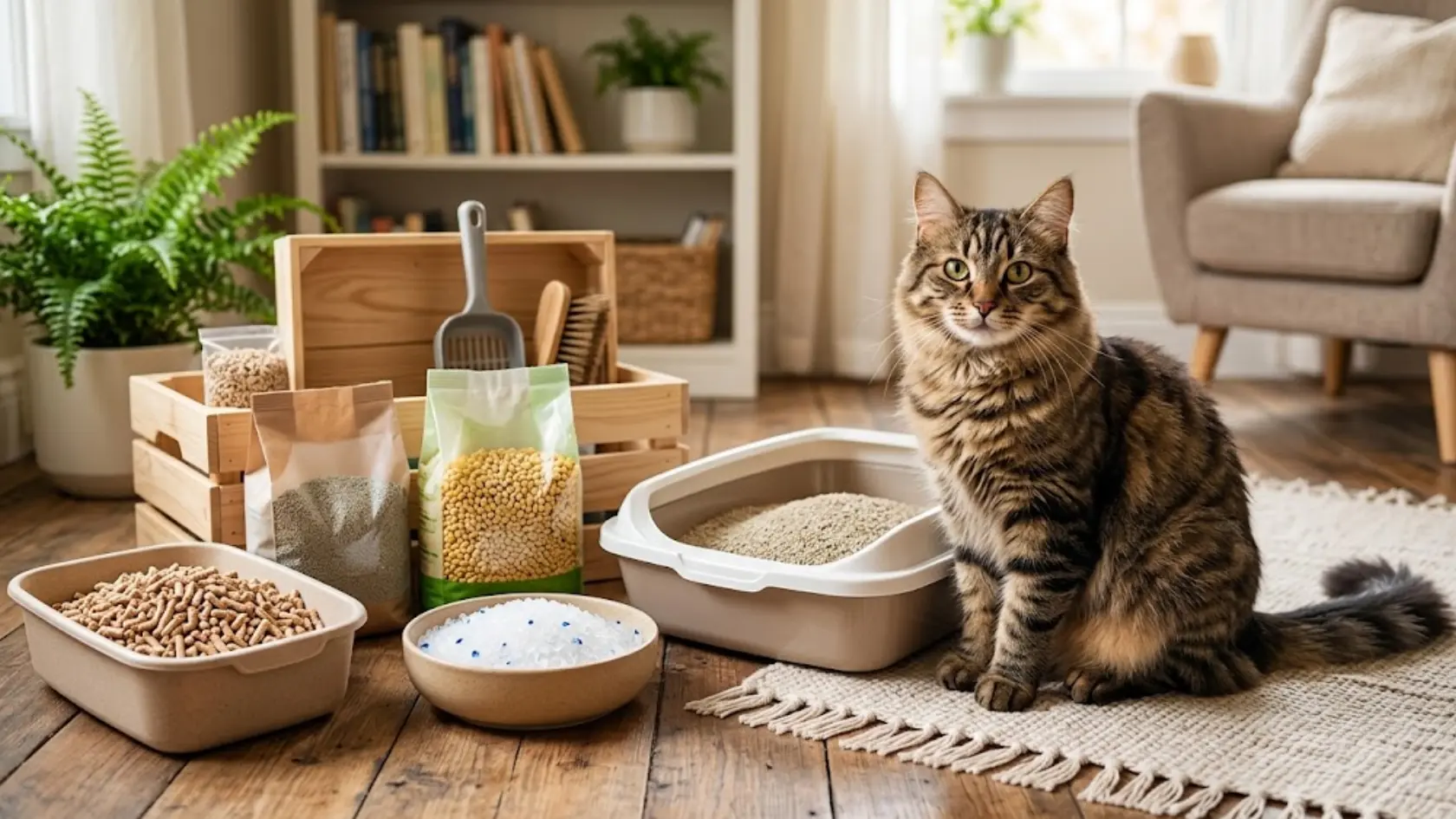
The box is only half the equation - the litter inside it determines odor control, tracking, dust levels, and how easy cleanup is. Look for litter that offers:
- Strong clumping for easy scooping and hygiene
- Fast odor neutralization, not just fragrance masking
- Low dust for respiratory safety (cats and humans)
- Soft texture that's gentle on paws
- High absorption so moisture doesn't sit at the bottom of the box
This is where a dependable brand like JASON cat litter makes a real difference - it's formulated specifically for tight clumping and superior odor control, making daily maintenance faster and your box far more hygienic.
JASON Cat Litter Product Range
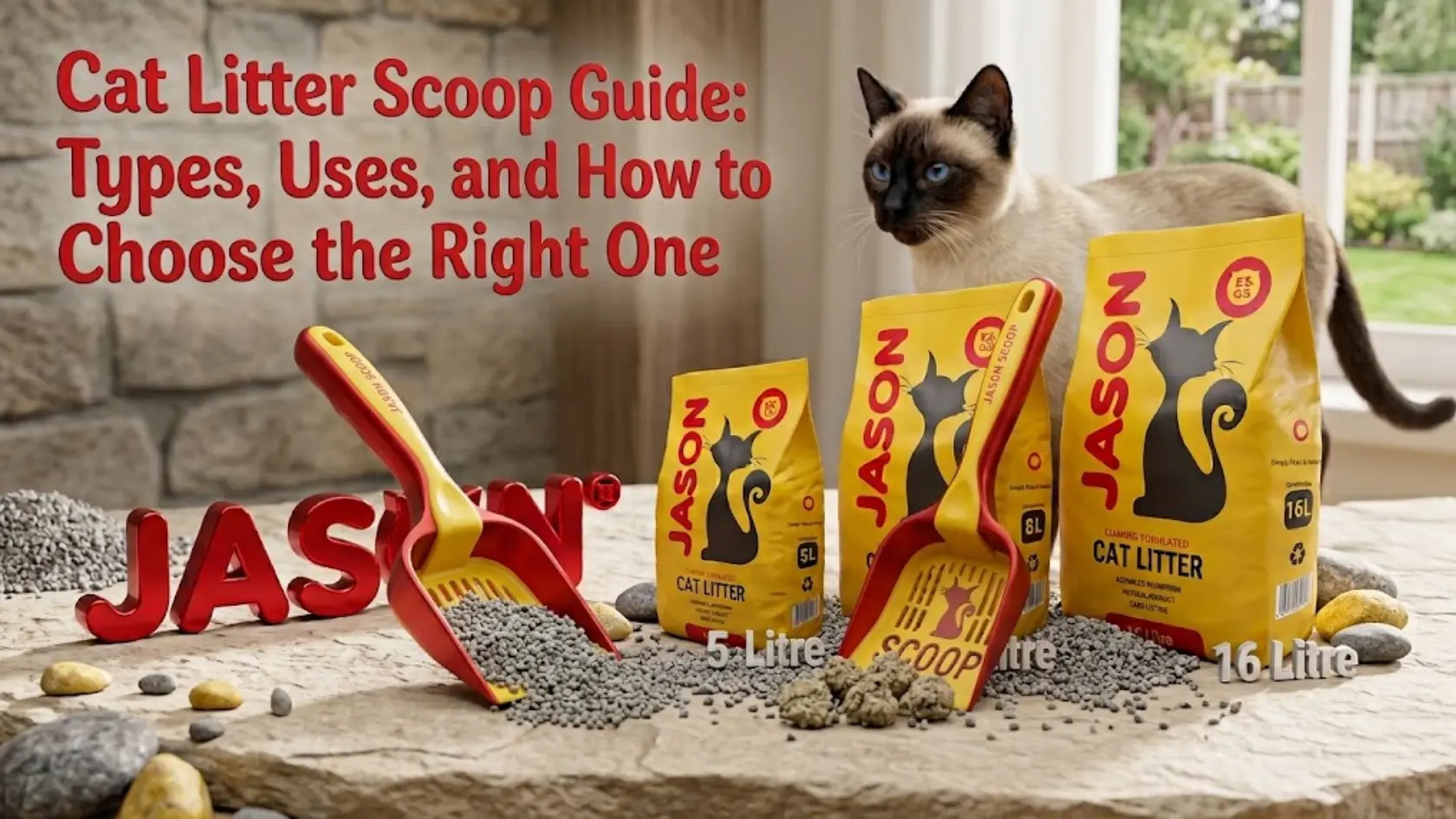
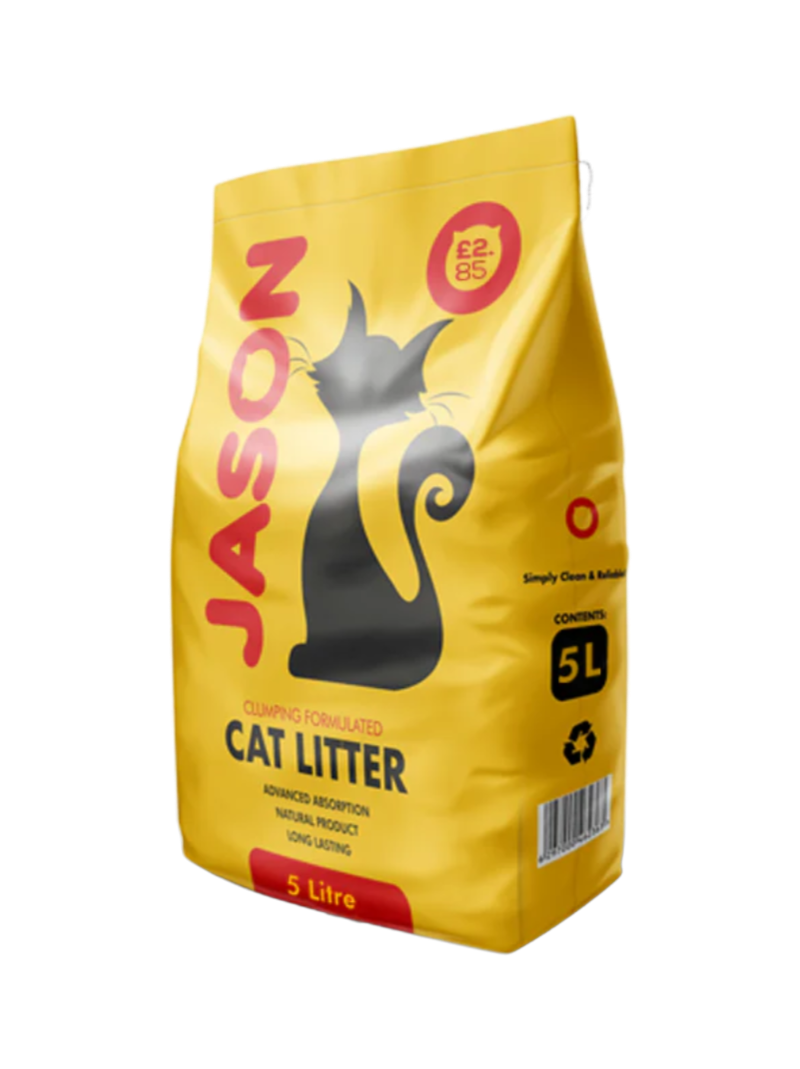
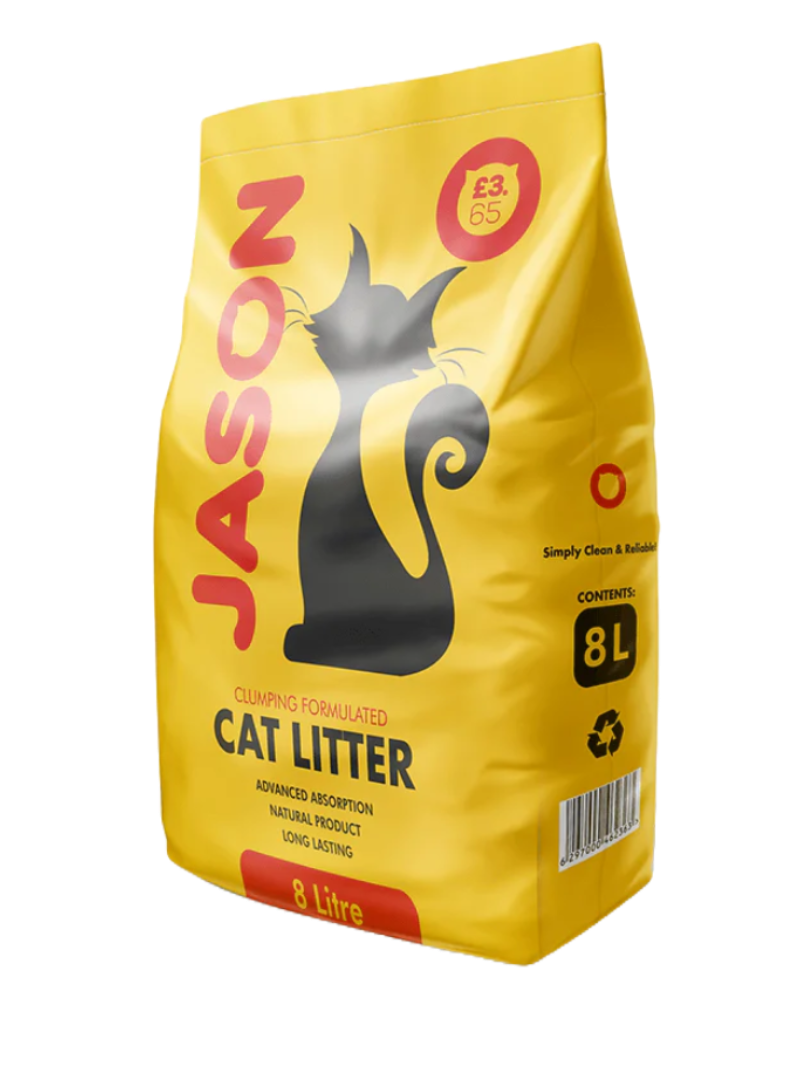
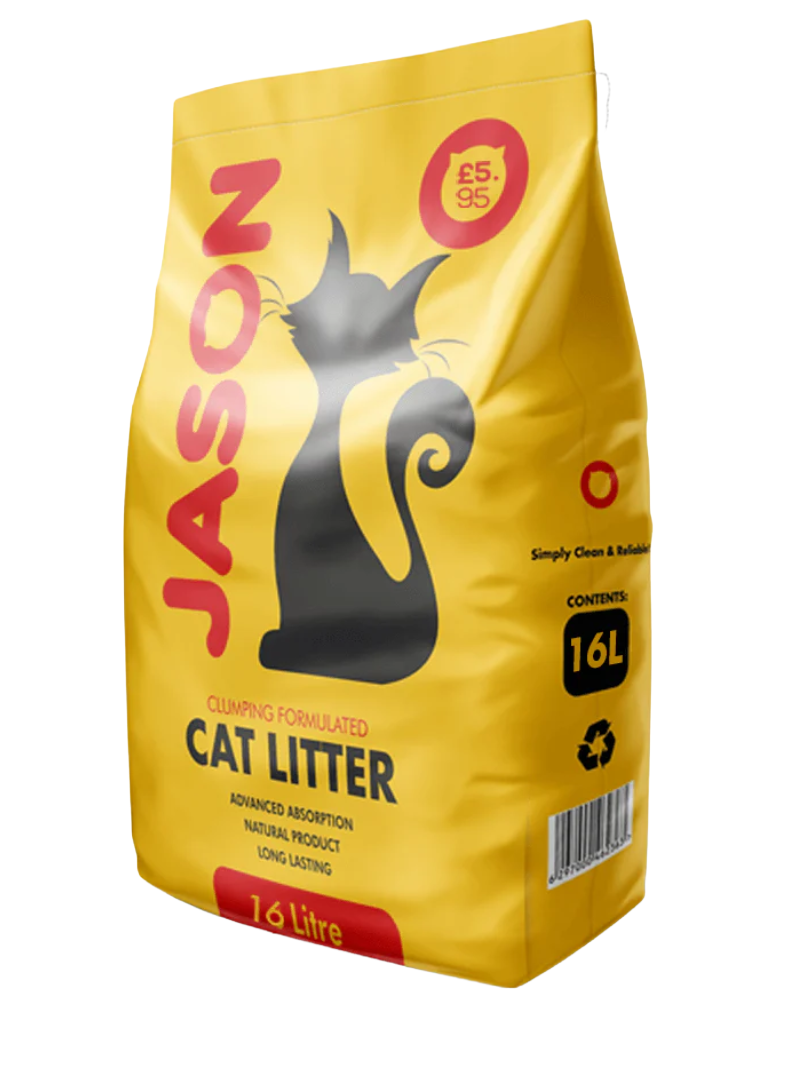
JASON cat litter offers a natural, tofu-based clumping formula designed for simple clean-up and reliable odor absorption - a smart pairing with any litter box type covered above. It's available in three sizes to match every household size and budget:
| Product | Size | Price |
| JASON Cat Litter | 5 Litre | Rs. 1,000 |
| JASON Cat Litter | 8 Litre | Rs. 1,500 |
| JASON Cat Litter | 16 Litre | Rs. 2,800 |
- 5 Litre - perfect for single-cat households or trying JASON for the first time.
- 8 Litre - great mid-size option for regular use in one- or two-cat homes.
- 16 Litre - best value for multi-cat households or bulk stocking.
Whichever litter box type you choose - open, covered, or self-cleaning - filling it with a high-clumping, low-dust litter like JASON helps the box do its job with far less daily effort.
Litter Box Cleaning & Maintenance Schedule
| Task | Frequency |
| Scoop solid waste and clumps | 1-2 times daily |
| Top up litter to proper depth (2-3 inches) | Every few days |
| Full wash with mild, unscented soap | Every 1-2 weeks |
| Replace box entirely | Every 1-2 years |
Pro tip: Avoid harsh chemical cleaners or bleach residue - cats have a strong sense of smell, and lingering chemical odors can cause them to avoid the box entirely.
Common Litter Box Problems and Fixes
Problem: My cat won't use the litter box. Check size, cleanliness, litter type, and location first - these cause the vast majority of avoidance issues. Rule out urinary tract infections with a vet if the behavior is sudden.
Problem: The box smells even after scooping. Switch to a stronger-clumping, odor-neutralizing litter (such as JASON) and increase scooping frequency to twice daily.
Problem: Litter is scattered everywhere. Try a top-entry or high-sided box, add a litter mat, or switch to a slightly heavier, less dusty litter formula.
Problem: My cat digs excessively or urinates outside the box. This can signal stress, an unclean box, or medical issues - consult a vet if it persists beyond a few days after fixing the setup.
Got Questions? We Have Answers
Q1. How often should I change cat litter completely?
Fully dump, wash, and refill the litter box every 1-2 weeks for clumping litter, or weekly for non-clumping litter - even if you scoop daily.
Q2. What is the best size litter box for an adult cat?
The box should be at least 1.5 times your cat's body length, typically 18-24 inches for an average adult cat, to allow full turning and digging.
Q3. How deep should cat litter be in the box?
Maintain a litter depth of 2-3 inches. Too shallow discourages digging and burying; too deep can waste litter and increase tracking.
Q4. Do cats prefer covered or open litter boxes?
It varies by cat. Open boxes offer better ventilation and reduce trapped odors, while covered boxes give more privacy - test both if your cat seems hesitant.
Q5. How many litter boxes should I have for one cat?
Vets recommend at least two litter boxes for a single cat, following the "n+1" rule (number of cats plus one extra box).
Q6. Why does my cat's litter box smell bad quickly?
Poor odor control usually comes from infrequent scooping, low-quality litter, or a box that's too small. Upgrading to a high-clumping, odor-neutralizing litter like JASON and scooping twice daily typically solves this.
Q7. Can I use regular sand instead of cat litter?
No. Regular sand doesn't control odor or clump effectively, and it can carry bacteria or parasites. Purpose-made cat litter is formulated for hygiene, absorption, and safety.
Q8. How do I stop my cat from tracking litter outside the box?
Place a litter mat in front of the box, choose a slightly larger or top-entry box, and use a low-dust, larger-granule litter to reduce scatter.
Let’s Wrap Things Up
A clean, well-placed, appropriately sized litter box paired with dependable litter is the single biggest factor in keeping your cat happy and your home odor-free. Focus on the right box size, the "n+1" rule for multi-cat homes, smart placement, and a consistent cleaning routine - and back it all up with a litter that actually performs, like JASON cat litter.
Ready to upgrade your cat's litter box experience? Shop JASON products today - available in 5 Litre (Rs. 1,000), 8 Litre (Rs. 1,500), and 16 Litre (Rs. 2,800) - and give your cat the clean, fresh space it deserves.